
Iran pulls out of Islamabad peace talks, ceasefire extension uncertain
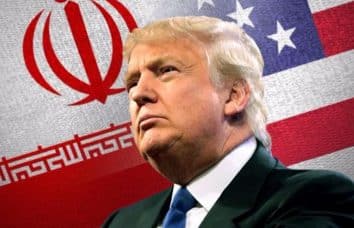
Iran has withdrawn from peace talks in Islamabad, signaling a breakdown in diplomatic efforts and diminishing the likelihood of ceasefire extensions. This escalation increases regional instability and reduces prospects for lasting peace agreements in the region.
Iran's withdrawal from the Islamabad peace talks represents a significant setback in regional diplomatic efforts aimed at de-escalation and conflict resolution. The move signals deepening tensions and suggests that negotiating parties have reached an impasse on key issues, making short-term ceasefire extensions unlikely. This development underscores the fragility of peace processes in geopolitically volatile regions where multiple stakeholders hold competing interests.
The withdrawal occurs against a backdrop of broader Middle Eastern tensions characterized by proxy conflicts, sectarian divisions, and strategic competition between regional and global powers. Iran's decision to disengage suggests that diplomatic channels have failed to produce acceptable terms, potentially reflecting disagreements over security guarantees, economic sanctions, or territorial disputes. Such diplomatic failures often precede periods of renewed military posturing or conflict escalation.
For investors and markets, escalating regional conflicts create macroeconomic headwinds affecting energy prices, trade flows, and broader market sentiment. Geopolitical uncertainty typically benefits safe-haven assets while pressuring risk-on investments. Cryptocurrency markets may experience volatility if regional tensions threaten oil supply chains or trigger broader macroeconomic disruptions affecting monetary policy decisions.
Looking ahead, observers should monitor whether other parties attempt to revive negotiations, escalate military activities, or pursue alternative diplomatic channels. The absence of active peace processes increases the probability of renewed hostilities, which could have cascading effects on global energy markets, international relations, and investor risk appetite across traditional and digital asset classes.
- →Iran's withdrawal from Islamabad talks reduces near-term ceasefire extension prospects
- →Diplomatic breakdown signals increased regional instability and escalation risk
- →Geopolitical tensions create macroeconomic uncertainty affecting energy and financial markets
- →Cryptocurrency markets may experience volatility from broader geopolitical disruptions
- →Future diplomatic efforts or military escalation will be critical indicators to monitor