
Iranian drones attack Bahrain, tanker hit in Strait of Hormuz escalation
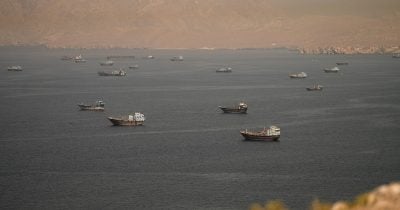
Iranian drone attacks on Bahrain and a tanker strike in the Strait of Hormuz mark a dangerous escalation of regional tensions. The incident threatens global energy stability and maritime security, with implications for oil markets and investor confidence in geopolitical risk assets.
The reported Iranian drone attacks represent a significant escalation in Middle Eastern tensions, directly targeting critical infrastructure and commercial shipping in one of the world's most strategically important waterways. The Strait of Hormuz handles approximately one-third of global maritime petroleum trade, making any disruption to transit routes a matter of international economic concern. This incident reflects deepening regional conflict dynamics and signals increased willingness to employ direct military action against perceived adversaries.
These attacks occur within a broader context of escalating U.S.-Iran tensions, regional proxy conflicts, and political instability affecting the Gulf states. The specific targeting of commercial shipping suggests deliberate economic pressure tactics designed to disrupt global energy supplies and raise geopolitical risk premiums across international markets.
Cryptocurrency and traditional energy markets respond sharply to Middle Eastern instability. Oil price spikes driven by supply disruption concerns typically trigger flight-to-safety dynamics in financial markets, often benefiting haven assets like Bitcoin and other cryptocurrencies as investors hedge against currency devaluation and geopolitical uncertainty. Market confidence weakens during maritime security crises, as shipping insurance costs rise and traders reassess risk exposure.
Future developments to monitor include whether these incidents escalate further, triggering military responses or broader regional conflict. Additional attacks on shipping infrastructure could substantially impact global energy prices, currency markets, and crypto valuations as investors seek alternative safe-haven assets. The trajectory of this conflict will prove critical for understanding volatility patterns across macro and crypto markets in coming weeks.
- →Drone attacks on Bahrain and tanker strikes in the Strait of Hormuz represent direct threats to one-third of global maritime oil trade.
- →Geopolitical escalation typically triggers flight-to-safety demand for cryptocurrencies as alternative hedges against currency and market volatility.
- →Oil price spikes from supply disruption fears correlate strongly with cryptocurrency market rallies and increased institutional inflows.
- →Maritime security crises increase insurance costs and shipping delays, amplifying economic uncertainty that drives investors toward decentralized assets.
- →Watch for further military escalation or shipping incidents that could trigger sustained risk-off periods affecting both traditional and crypto markets.