
Iranian drones strike South Korean ship in Strait of Hormuz, tensions rise
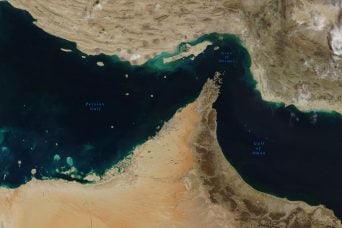
Iranian drones struck a South Korean vessel in the Strait of Hormuz, escalating regional tensions. The incident threatens critical global shipping routes and could destabilize energy markets, with potential cascading effects on commodity prices and financial markets.
The drone strike on a South Korean ship represents a significant escalation in Middle Eastern tensions, targeting one of the world's most strategically important waterways. The Strait of Hormuz facilitates approximately 20% of global oil transit, making any disruption to shipping lanes a matter of international concern. This incident follows a pattern of regional hostilities and demonstrates the willingness of state actors to directly engage international vessels, raising the cost of maritime commerce through the region.
The broader context involves ongoing U.S.-Iran tensions, regional proxy conflicts, and competing geopolitical interests. Previous incidents in the Strait have included tanker attacks and naval confrontations, creating a pattern of instability. South Korea's involvement complicates the dynamic, as it maintains economic ties with Iran while allied with the United States, potentially placing the nation in a precarious diplomatic position.
Crypto and financial markets respond predictably to geopolitical uncertainty. Energy price spikes typically drive inflation concerns, strengthening safe-haven assets like Bitcoin and gold while pressuring risk assets. Oil price volatility directly impacts both traditional markets and cryptocurrency valuations, as investors reassess macroeconomic conditions. Prolonged shipping disruptions could inflate logistics costs, affecting supply chains and corporate earnings across industries.
Investors should monitor escalation indicators: additional military incidents, formal sanctions implementations, and oil price movements above key resistance levels. Market participants typically front-run geopolitical crises, so volatility may precede physical disruptions. The situation bears watching for potential coordination between regional powers and broader implications for global trade stability.
- →Iranian drone strike on South Korean vessel signals escalating military tensions in critical Strait of Hormuz shipping lane
- →Strait of Hormuz handles ~20% of global oil transit, making disruptions highly consequential for energy markets and inflation
- →Geopolitical crises historically trigger flight-to-safety moves favoring Bitcoin and gold over risk assets
- →Supply chain disruptions from shipping lane instability could drive inflation and pressure corporate margins globally
- →Investors should monitor oil prices, shipping indices, and regional military activity for escalation signals