
US forces intercept two Iranian drones targeting ships in Strait of Hormuz, raising stakes for crypto-backed shipping insurance
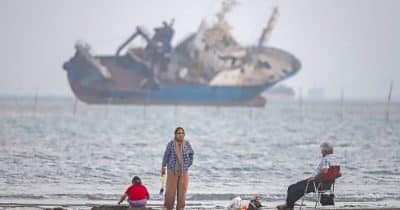
US forces intercepted two Iranian drones targeting ships in the Strait of Hormuz, escalating Middle Eastern tensions and threatening global oil supply stability. The incident raises concerns about crypto's potential role in sanctions evasion and highlights emerging use cases for blockchain-based shipping insurance amid geopolitical risk.
The interception of Iranian drones in one of the world's most critical shipping corridors signals intensifying military brinkmanship in the Middle East. The Strait of Hormuz handles roughly 20% of global petroleum trade, making any disruption to maritime commerce a systemic risk for energy markets and broader economic stability. This incident underscores how geopolitical conflicts create demand for alternative financial infrastructure to manage trade and insurance when traditional channels face restrictions or become unreliable.
The connection to crypto-backed shipping insurance reflects a growing trend of blockchain applications addressing real-world supply chain vulnerabilities. Companies and investors increasingly explore decentralized insurance mechanisms and cryptocurrency settlement layers to circumvent delays imposed by traditional banking systems during periods of international tension. Iran's historical use of cryptocurrency to evade sanctions adds another layer to this dynamic, as does the broader shift toward digital assets for cross-border commerce in sanctioned or high-risk regions.
For the cryptocurrency industry, this event amplifies regulatory scrutiny around crypto's utility in sanctions evasion while simultaneously validating practical applications for blockchain in maritime logistics and insurance. Policymakers will likely intensify monitoring of crypto transactions linked to Iran and related entities. Conversely, legitimate developers building transparent, compliant shipping insurance platforms may see accelerated adoption as traditional insurance markets struggle with geopolitical risk premiums.
Market participants should monitor oil price volatility and regulatory responses from US and international authorities. The incident may prompt central banks and regulators to accelerate frameworks around crypto usage in cross-border trade, creating both challenges and opportunities for the industry.
- →Drone interception in Strait of Hormuz heightens geopolitical risk and potential oil market disruption affecting global markets
- →Crypto-backed shipping insurance emerges as a practical response to maritime commerce disruptions in high-tension regions
- →Regulatory scrutiny on cryptocurrency's sanctions evasion utility will intensify following this incident
- →Legitimate blockchain supply chain applications may accelerate adoption amid traditional insurance market pressures
- →Monitor oil futures and regulatory announcements for implications on crypto compliance frameworks