
Iranian gunboats attack tanker in Strait of Hormuz, ceasefire at risk
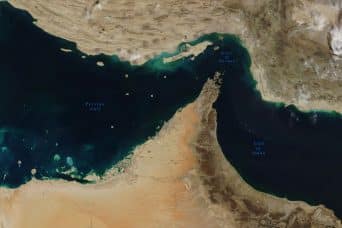
Iranian gunboats attacked a tanker in the Strait of Hormuz, signaling potential fragility in regional ceasefire agreements and raising concerns about global oil market stability. This incident underscores escalating geopolitical tensions in a critical energy chokepoint that directly influences cryptocurrency and traditional commodity markets.
The attack on a tanker in the Strait of Hormuz represents a critical flashpoint in Middle Eastern geopolitics with immediate ramifications for global energy markets. The Strait of Hormuz facilitates approximately 20-30% of global oil transit, making any disruption to shipping lanes a systemic risk event. When ceasefire agreements deteriorate and military incidents escalate, oil prices typically spike, triggering broader macroeconomic shockwaves that ripple through cryptocurrency markets.
This incident reflects persistent tensions rooted in regional power struggles, international sanctions regimes, and competing interests among maritime powers. The fragility of ceasefire agreements demonstrates how quickly diplomatic frameworks can collapse when underlying disputes remain unresolved. Previous military escalations in the region have consistently preceded volatility spikes across both energy markets and cryptocurrency exchanges, as investors flee risk assets or seek inflation hedges.
For cryptocurrency investors and markets, geopolitical crises affecting oil supply create inflationary pressures that strengthen the narrative for Bitcoin and other assets positioned as inflation hedges. Rising oil prices increase production costs across industries, potentially driving institutional interest toward alternative stores of value. However, heightened geopolitical risk also triggers broad risk-off sentiment, which can suppress cryptocurrency valuations in the short term as investors prioritize liquidity and safety.
Observers should monitor developments in ceasefire negotiations, international diplomatic responses, and any subsequent shipping incidents or oil price movements. If tensions escalate further, expect cryptocurrency volatility to increase alongside traditional commodity markets, with particular attention to how central banks respond to potential inflationary impacts.
- →Iranian gunboat attack on tanker highlights ceasefire fragility in the Strait of Hormuz, a critical 20-30% global oil transit chokepoint.
- →Geopolitical escalation in this region historically triggers oil price spikes that create both inflationary pressure and cryptocurrency volatility.
- →Short-term risk-off sentiment may suppress crypto valuations, but longer-term inflation concerns could strengthen Bitcoin's store-of-value narrative.
- →Cryptocurrency markets remain sensitive to macroeconomic shocks originating from geopolitical crises affecting energy supply chains.
- →Continued monitoring of diplomatic responses and shipping incidents is essential for predicting near-term market direction.