
Iranian President Pezeshkian reportedly resigns amid internal power struggle
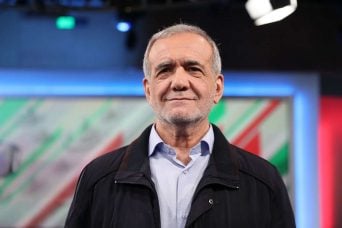
Iranian President Masoud Pezeshkian has reportedly resigned amid internal political tensions, potentially signaling a shift toward military authority in Iran. This development could have significant implications for regional stability and geopolitical relations, with downstream effects on global markets including cryptocurrency and energy sectors.
Iran's political leadership is experiencing internal instability, with President Pezeshkian's reported resignation marking a critical juncture in the country's power dynamics. If confirmed, this transition suggests deepening divisions between civilian and military factions within the Iranian government, a pattern that historically precedes more assertive foreign policy positions or increased international tensions.
Iran's political structure maintains a complex balance between elected civilian leadership and unelected military-religious institutions. Pezeshkian's potential exit could indicate that hardline factions have gained sufficient influence to challenge pragmatist governance. This mirrors previous cycles of Iranian political volatility, though the current timing coincides with elevated regional tensions involving Israel, the U.S., and Gulf states.
For cryptocurrency and traditional markets, Iranian political instability typically triggers risk-off sentiment, particularly given Iran's strategic importance for global energy markets and geopolitical balance. Uncertainty around sanctions enforcement, SWIFT access, and international banking relationships could influence how Iranian entities interact with crypto markets as alternative transaction channels. Oil price volatility often follows Iranian political crises, which can create secondary effects on tech stocks and risk asset valuations.
Monitoring Iran's next leadership composition and foreign policy signals will be essential. Markets should watch for any statements regarding nuclear negotiations, regional military posturing, or changes to sanctions compliance. If military hardliners consolidate power, expect heightened geopolitical risk premiums across commodities and equities, potentially driving defensive positioning in cryptocurrencies as safe-haven alternatives.
- →Pezeshkian's resignation could indicate military-hardline factions are gaining control of Iran's political apparatus
- →Political transitions in Iran historically correlate with increased regional tensions and global market volatility
- →Energy markets and geopolitical risk assets could face pressure if hardliners assume stronger roles
- →Crypto markets may benefit if uncertainty drives demand for non-traditional value transfer mechanisms in sanctioned jurisdictions
- →Investors should monitor Iran's next leadership statements regarding nuclear policy and regional military posture