
44 Iranian seafarers killed amid US-Israeli conflict escalation
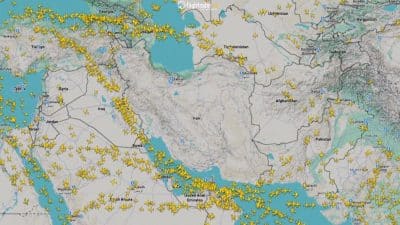
44 Iranian seafarers were killed in an incident amid escalating US-Israeli tensions, highlighting growing geopolitical instability in a critical shipping region. The deaths underscore mounting regional conflict that could trigger economic disruptions affecting global trade, energy markets, and cryptocurrency volatility.
The deaths of 44 Iranian seafarers represent a significant escalation in US-Israeli-Iranian tensions, particularly concerning given Iran's strategic position controlling the Strait of Hormuz, through which approximately 20% of global oil passes daily. This incident signals deepening military engagement and potential for further maritime incidents that could disrupt critical energy supply chains. The escalation occurs against a backdrop of existing tensions including US sanctions, Israeli military operations, and Iranian proxy activities across the Middle East, creating a volatile geopolitical environment that threatens regional stability.
Historically, Middle Eastern conflicts have triggered sharp commodity price spikes and currency fluctuations. Oil markets typically react immediately to perceived supply disruptions, and elevated energy costs ripple through global inflation metrics. The shipping industry faces heightened insurance costs and route diversions, increasing logistics expenses worldwide. For cryptocurrency markets, geopolitical crises traditionally correlate with flight-to-safety movements—investors shift toward perceived safe havens like Bitcoin, though risk-off sentiment can also trigger broad market selloffs depending on broader macroeconomic conditions.
The incident creates immediate uncertainty regarding maritime security in the Persian Gulf, potentially affecting shipping insurance premiums and trade routes. Central banks may respond with policy adjustments if inflation pressures intensify from energy cost increases. For crypto investors and traders, this geopolitical catalyst warrants monitoring oil price movements, USD strength, and traditional safe-haven asset flows as leading indicators of market direction. The possibility of further escalation remains present, potentially triggering volatility spikes that reward prepared traders while punishing unprepared positions.
- →44 Iranian seafarers killed in escalating US-Israeli conflict signals deepening regional military engagement and maritime instability.
- →The Strait of Hormuz incident threatens 20% of global oil supply, potentially triggering energy price volatility and inflation concerns.
- →Geopolitical crises historically drive cryptocurrency demand as a safe-haven asset amid flight-to-safety market movements.
- →Elevated shipping insurance costs and route disruptions increase global logistics expenses, affecting inflation metrics globally.
- →Further escalation remains possible, creating ongoing volatility in oil markets, currencies, and risk asset prices including crypto.