
Iran’s internet blackout enters tenth week amid ongoing conflict
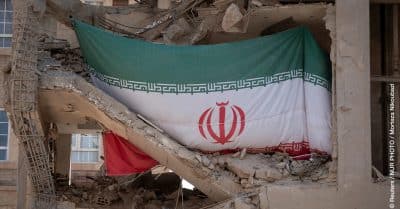
Iran's internet blackout has persisted for ten weeks amid internal conflict, raising concerns about regime stability and potentially reshaping geopolitical risk assessments. This extended connectivity disruption impacts cryptocurrency markets by restricting Iranian users' access to digital assets and signaling broader instability that traditionally moves macroeconomic sentiment.
Iran's prolonged internet blackout represents a critical juncture in the nation's political crisis, with cascading implications for global markets. The ten-week duration suggests systemic infrastructure strain or deliberate suppression rather than temporary disruption, indicating deeper instability within Iranian governance structures. This extended outage prevents millions of citizens from accessing financial services, conducting commerce, and engaging with cryptocurrency networks—sectors that had grown substantially in Iran as sanctions-driven alternatives to traditional banking.
Historically, internet blackouts in Iran correlate with periods of civil unrest and regime pressure. Previous outages in 2019 and 2022 coincided with major protests and geopolitical tensions. The current extended disruption occurs within a context of escalating regional conflicts and internal power consolidation attempts, suggesting authorities view communication control as strategically essential. For cryptocurrency markets, Iranian demand had represented meaningful trading volume despite international sanctions restrictions, particularly in peer-to-peer and over-the-counter channels.
The market impact manifests across multiple dimensions. Bitcoin and decentralized finance platforms lose a significant user base and trading node, reducing network liquidity in certain regions. Simultaneously, prolonged instability in Iran influences broader Middle East risk premiums, affecting oil markets and safe-haven asset flows that indirectly impact crypto valuations. Investors monitor Iranian stability as a barometer for geopolitical risk appetite; extended blackouts amplify uncertainty.
Looking forward, the sustainability of this blackout becomes crucial. If connectivity restrictions persist beyond twelve weeks, it suggests permanent policy shifts rather than temporary crisis measures, fundamentally altering how Iranian actors interact with global crypto markets and potentially spurring migration to alternative networks and protocols designed for disruption-resistant communication.
- →Iran's ten-week internet blackout indicates sustained regime control measures amid internal conflict, exceeding typical disruption timelines.
- →Extended connectivity loss eliminates Iranian access to cryptocurrency trading and digital asset management, removing significant peer-to-peer market participants.
- →Prolonged outages signal deepening geopolitical instability that historically precedes broader regional tensions affecting global risk sentiment.
- →Cryptocurrency users and decentralized networks experience reduced liquidity and node diversity from the elimination of Iranian participants.
- →Market watchers should monitor whether blackout persistence beyond twelve weeks indicates permanent policy shifts versus crisis-driven temporary measures.