
Iran launches 2,800 missiles and drones in 40 days, UAE minister claims
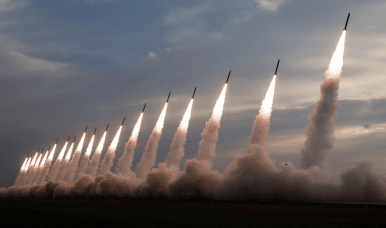
A UAE minister claims Iran launched 2,800 missiles and drones over 40 days, signaling escalating regional military tensions. The claim underscores Gulf states' focus on containment strategies rather than direct retaliation, reflecting shifting geopolitical dynamics in the Middle East.
The alleged Iranian military campaign represents a significant escalation in Middle Eastern hostilities, with the scale of weapons deployment suggesting sustained military pressure rather than isolated incidents. This claim, made by a UAE official, signals that Gulf states view containment and defensive posturing as preferable to direct military confrontation, potentially reshaping regional power dynamics. The 40-day timeframe indicates either a concentrated campaign or cumulative reporting of sustained military activities, both interpretations suggesting elevated tensions beyond typical border skirmishes.
This escalation occurs within a broader context of Iran-Gulf state tensions dating back years, involving proxy conflicts, nuclear negotiations, and shipping security concerns. Recent geopolitical developments, including shifting US foreign policy priorities and normalization agreements between some Gulf states and Israel, have altered the regional calculus. Iran's weapons deployment may represent a response to perceived encirclement or an attempt to assert regional influence amid changing international alignments.
For cryptocurrency and broader markets, Middle Eastern instability historically creates volatility in energy prices and risk assets. Oil price spikes driven by supply chain concerns would benefit certain crypto narratives around inflation hedging, though crypto markets typically react more to macro monetary policy than regional conflicts. The emphasis on containment over retaliation suggests major powers aim to prevent full-scale conflict, potentially limiting the most extreme market disruption scenarios.
Investors should monitor whether tensions lead to new sanctions regimes, shipping disruptions affecting global trade, or policy shifts from major economies. The UAE's measured public response indicates regional powers may be coordinating behind-the-scenes diplomatic efforts to prevent further escalation.
- →Iran allegedly deployed 2,800 missiles and drones over 40 days, marking a significant military escalation in the Gulf region.
- →Gulf states prioritize containment strategies over direct military retaliation, suggesting diplomatic coordination behind regional tensions.
- →Escalating Middle East conflicts historically create energy price volatility and marginal crypto market movements tied to inflation concerns.
- →The scale and duration of Iran's weapons deployment indicate sustained military pressure rather than isolated provocations.
- →Investors should watch for potential sanctions, shipping disruptions, or policy shifts that could affect global markets and crypto valuations.