
Iran internet blackout hits 65 days amid US and Israeli military tensions
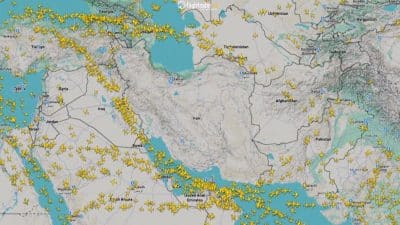
Iran has experienced a 65-day internet blackout amid escalating US and Israeli military tensions, reflecting both internal repression and potential regime instability. The prolonged connectivity disruption raises concerns about how state-imposed digital restrictions affect cryptocurrency usage and decentralized finance access in the region.
Iran's extended internet blackout represents a significant intersection of geopolitical conflict and digital infrastructure control. The 65-day outage occurs during heightened military tensions between the US, Israel, and Iran, suggesting the blackout serves dual purposes: preventing domestic coordination of dissent and potentially preparing for or responding to military escalation. This duration far exceeds typical internet shutdowns, indicating systematic rather than reactive suppression.
Historically, Iran has used internet controls to manage internal unrest, with previous shutdowns occurring during protests in 2019 and 2022. However, this extended blackout coincides with external military pressure, creating a confluence of internal repression and external conflict. The timing suggests the regime may be consolidating control while managing geopolitical uncertainty.
For cryptocurrency markets and decentralized finance, prolonged internet blackouts create friction for Iranian users attempting to access crypto exchanges, conduct peer-to-peer transactions, or utilize censorship-resistant financial tools. Iran's population has increasingly adopted cryptocurrency to circumvent international sanctions, making connectivity disruptions particularly consequential. The blackout impedes this alternative financial ecosystem while signaling the regime's willingness to sacrifice economic activity for political control.
Looking forward, observers should monitor whether the blackout extends further, how it affects Iran's economy and sanctions evasion strategies, and whether similar infrastructure controls spread to neighboring regions. The incident underscores how geopolitical instability can weaponize internet access, with ripple effects across decentralized financial networks and cryptocurrency adoption in conflict zones.
- →Iran's 65-day internet blackout reflects both internal repression tactics and response to external military tensions with the US and Israel.
- →Extended connectivity disruptions significantly hamper Iranian cryptocurrency usage and sanctions-evasion financial strategies.
- →Prolonged blackouts signal regime prioritization of political control over economic activity and financial accessibility.
- →Geopolitical escalation increasingly correlates with digital infrastructure weaponization in conflict zones.
- →Decentralized finance adoption in sanctioned regions remains vulnerable to state-imposed network shutdowns.