
Iran’s inspection chief reveals €94B in export earnings never made it back to the country
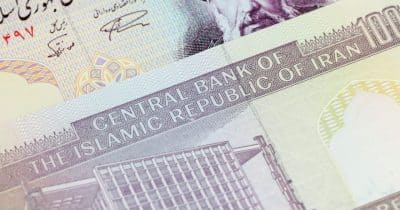
Iran's chief inspector disclosed that €94 billion in export earnings failed to return to the country, revealing severe capital controls and financial isolation. This systemic issue is driving Iranian entities toward cryptocurrency as an alternative financial infrastructure, with potential implications for global crypto adoption and sanctions enforcement.
Iran's missing €94 billion in export earnings represents a critical breakdown in the country's ability to repatriate foreign currency, exposing the practical consequences of international sanctions and banking restrictions. This massive gap between export activity and capital inflows indicates that Iranian exporters face severe obstacles accessing traditional financial channels, with funds likely trapped in foreign accounts or frozen by international banking systems unwilling to facilitate Iranian transactions due to compliance risks.
The revelation underscores how geopolitical isolation creates structural incentives for alternative financial systems. As conventional banking becomes inaccessible for Iranian businesses, cryptocurrency emerges as a pragmatic solution for moving value across borders without reliance on SWIFT networks or traditional correspondent banking relationships. This pattern mirrors historical precedent—sanctioned economies consistently adopt crypto infrastructure when traditional finance becomes unavailable.
The macro implications extend beyond Iran's borders. Increased Iranian participation in cryptocurrency markets could influence global trading volumes, liquidity patterns, and regulatory scrutiny. Exchanges and crypto infrastructure providers face heightened compliance pressure as sanctions enforcement agencies monitor blockchain activity more closely. This creates a cyclical dynamic: sanctions drive crypto adoption, which prompts regulators to tighten oversight, potentially fragmenting global liquidity.
Looking forward, the sustainability of Iran's crypto-driven financial system depends on whether regulators successfully implement cross-border monitoring without fragmenting the crypto ecosystem entirely. The situation illustrates how financial isolation doesn't eliminate capital flows—it merely redirects them toward less transparent channels, raising questions about whether traditional sanctions mechanisms remain effective in the digital asset era.
- →€94 billion in Iranian export earnings remain unrepatriated due to banking restrictions and international sanctions
- →Capital controls and financial isolation are accelerating cryptocurrency adoption among Iranian businesses
- →Increased Iranian crypto activity will likely intensify regulatory scrutiny and compliance measures globally
- →Sanctioned economies consistently adopt decentralized finance when traditional banking becomes inaccessible
- →The situation demonstrates how geopolitical isolation redirects capital flows rather than preventing them entirely