
Iran’s foreign minister recounts being in Khamenei’s office during February 28 US-Israeli strikes
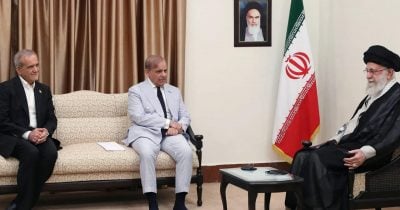
Iran's foreign minister recounted being present in Supreme Leader Khamenei's office during US-Israeli strikes on February 28, highlighting the intensity of regional tensions. The death of Iran's Supreme Leader has significantly reshaped Middle Eastern geopolitics, escalating tensions and destabilizing regional alliances.
The recounting of Iran's foreign minister being present during the February 28 US-Israeli strikes underscores the direct exposure of Iran's highest-level leadership to military action. This firsthand account from a senior government official adds credibility to reports of the coordinated attack and demonstrates how close external threats have come to Iran's command structure. The broader context involves months of escalating tensions between Iran and Israel, with multiple rounds of strikes and counter-strikes creating an unpredictable regional environment. Iran's response capabilities and strategic positioning have been repeatedly tested, forcing the country to demonstrate its military readiness to both domestic and international audiences. The subsequent death of Iran's Supreme Leader—whether related to these events or otherwise—creates a significant power vacuum and uncertainty about Iran's future foreign policy direction. For global markets, including cryptocurrency and traditional assets, geopolitical crises of this magnitude typically trigger risk-off sentiment as investors flee to safe-haven assets. Oil markets experience particular volatility given Iran's role as a major crude producer, with supply disruption concerns rippling through energy markets and affecting broader inflation expectations. Crypto markets, sensitive to macro instability and geopolitical risk, may see temporary capital flows toward non-correlated assets or to exchanges in jurisdictions perceived as safer. The uncertainty surrounding Iran's leadership transition and potential policy shifts creates a period of elevated geopolitical risk that could extend for weeks or months. Investors should monitor developments regarding Iran's new leadership, any changes to nuclear negotiations, and potential escalation triggers that could further destabilize the region and impact global financial markets.
- →Iran's foreign minister witnessed US-Israeli strikes firsthand from Supreme Leader Khamenei's office on February 28
- →The death of Iran's Supreme Leader creates leadership uncertainty with significant geopolitical implications
- →Regional tensions have escalated dramatically with direct threats to Iran's highest-level command structure
- →Oil market volatility and risk-off sentiment may impact cryptocurrency and traditional asset valuations
- →Extended geopolitical uncertainty could persist during Iran's leadership transition period