
Iran’s Ghalibaf defends US ceasefire talks amid internal opposition
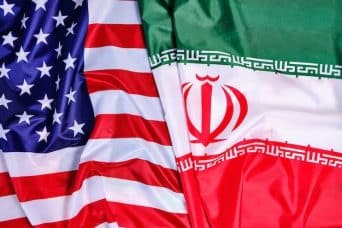
Iran's parliamentary speaker Mohammad Baqer Ghalibaf has publicly defended negotiations with the United States over a potential ceasefire, despite facing internal political opposition from hardline factions. This internal disagreement signals tensions within Iran's government regarding diplomatic engagement and could influence broader regional stability and international relations.
Ghalibaf's defense of US ceasefire talks reveals a significant fault line within Iran's political establishment between pragmatists seeking diplomatic resolution and hardline factions opposing engagement with Washington. The parliamentary speaker's willingness to publicly champion negotiations despite internal resistance suggests a calculated political move to advance diplomatic channels, even at the cost of intra-governmental conflict. This internal debate reflects broader tensions between Iran's competing power centers and their differing visions for the nation's foreign policy direction.
Historically, Iran has experienced cycles of diplomatic engagement and isolation, with internal political divisions often determining the success or failure of negotiation attempts. Previous ceasefire talks and nuclear agreements have faced similar resistance from conservative elements within Iranian governance. Ghalibaf's prominent role in defending these talks indicates potential shifts in power dynamics or a strengthened position for moderate voices within the Iranian establishment.
For cryptocurrency and financial markets, geopolitical stability in the Middle East carries significant implications. Regional conflicts and sanctions regimes can trigger broader market volatility and affect global energy prices, which subsequently impact macroeconomic conditions influencing crypto asset valuations. Any escalation in US-Iran tensions could trigger risk-off sentiment across digital asset markets, while diplomatic progress might ease geopolitical premiums embedded in commodity and asset prices.
Investors should monitor how this internal Iranian debate evolves and whether Ghalibaf's position gains traction within government institutions. Successful diplomatic engagement could reduce regional tensions and decrease geopolitical risk premiums across markets, while continued internal opposition could signal protracted instability.
- →Iran's parliamentary speaker publicly defends US ceasefire negotiations despite facing hardline domestic opposition
- →Internal political divisions within Iran reflect broader tensions between pragmatists and hardliners on foreign policy
- →Geopolitical stability in the Middle East directly impacts crypto market sentiment and asset valuations
- →Diplomatic progress could reduce risk premiums, while escalation would trigger market volatility
- →Monitoring Iran's internal political dynamics is crucial for assessing regional stability and market risk exposure