
Iran’s Hormuz closure leads to US-Israel ceasefire in Lebanon, says Hezbollah
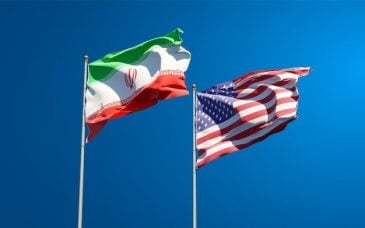
Hezbollah claims Iran's threat to close the Strait of Hormuz influenced a US-Israel ceasefire agreement in Lebanon, highlighting Iran's regional leverage. The ceasefire demonstrates Iran's strategic power but remains limited in scope, with no broader diplomatic thaw between Washington and Tehran on the horizon.
Iran's assertion of control over global energy chokepoints represents a significant escalation in Middle Eastern geopolitical maneuvering. By leveraging threats to close the Strait of Hormuz—through which roughly 20% of global oil passes—Iran positions itself as a consequential actor capable of influencing major power negotiations. The reported connection between this pressure and the Lebanon ceasefire suggests Iran successfully translated military posturing into concrete diplomatic outcomes, reinforcing its role as a regional power broker.
The broader context reveals deepening US-Israeli-Iranian tensions spanning years of sanctions, proxy conflicts, and nuclear negotiations. Iran's Hormuz strategy builds on decades of maritime brinkmanship while capitalizing on current instability in Lebanon and Gaza. This geopolitical leverage reflects Iran's limited conventional military advantages against superior US-Israeli capabilities, forcing reliance on asymmetric pressure points.
Commodity markets face material implications from Hormuz closure rhetoric. Energy prices, particularly crude oil, respond sharply to disruption risks in critical shipping lanes. A sustained crisis could spike oil above $100 per barrel, rippling through inflation expectations and cryptocurrency markets sensitive to macroeconomic conditions. Bitcoin and risk assets often correlate inversely with oil volatility during geopolitical stress.
Investors should monitor whether this ceasefire holds or collapses, as renewed escalation could trigger oil spikes and broader market volatility. The absence of broader US-Iran engagement suggests this represents tactical maneuvering rather than strategic reconciliation, leaving underlying tensions unresolved and future flashpoints probable.
- →Iran successfully leveraged Strait of Hormuz closure threats to influence US-Israel ceasefire negotiations in Lebanon.
- →The agreement reflects Iran's regional power but does not signal broader US-Iranian diplomatic thaw or sanctions relief.
- →Hormuz disruption risks carry material implications for energy prices and macroeconomic conditions affecting crypto markets.
- →The ceasefire's stability remains uncertain given underlying geopolitical tensions between key regional actors.
- →Investors should prepare for potential energy volatility if escalation resumes or ceasefire negotiations collapse.