
Iran’s Revolutionary Guard sidelines president, strengthens regime control
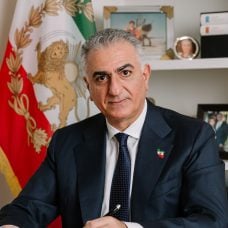
Iran's Islamic Revolutionary Guard Corps (IRGC) has consolidated power by sidelining the country's president, indicating a strengthening of authoritarian control within the regime. This political shift reduces prospects for significant democratic reforms or policy liberalization, with potential implications for Iran's international relations and economic engagement.
The IRGC's increasing dominance over Iran's political apparatus represents a critical consolidation of power within the regime's military-security establishment. By marginalizing presidential authority, the Guard effectively centralizes decision-making around its own institutional interests, a pattern that accelerates when regimes perceive external threats or internal instability. This development signals that Iran's political future will be determined by security apparatus preferences rather than civilian governance, limiting the scope for policy flexibility or institutional reform.
Historically, the IRGC has expanded influence during periods of economic sanctions and international isolation. The Guard controls significant commercial enterprises alongside military operations, giving it vested interests in maintaining the status quo regardless of civilian leadership preferences. This structural reality means Iran's approach to international negotiations, sanctions compliance, and economic policy will increasingly reflect military rather than technocratic calculations, making outcomes less predictable but potentially more hardline.
For cryptocurrency and fintech sectors, Iran's political rigidity carries dual significance. Stricter regime control typically means tighter financial surveillance and reduced tolerance for decentralized payment systems that circumvent state oversight. However, the same isolation that strengthens the IRGC also incentivizes cryptocurrency adoption as a sanctions-evasion mechanism, creating a paradox where political repression simultaneously drives crypto utility and usage underground. International investors and platforms must account for increased regulatory unpredictability and the heightened risk of sudden policy reversals tied to military-security priorities rather than consistent technocratic frameworks.
- →IRGC consolidation reduces likelihood of Iranian political liberalization or policy reform in coming years
- →Increased military control typically correlates with stricter financial surveillance and capital controls
- →Paradoxically, regime entrenchment may accelerate underground cryptocurrency adoption for sanctions evasion
- →International businesses face higher unpredictability due to security apparatus decision-making replacing civilian governance
- →Geopolitical risk premium for Iran-exposed assets and trading counterparties should increase