
Iran’s president, parliament seek to dismiss FM Araghchi amid IRGC influence
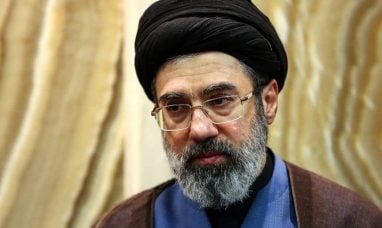
Iran's president and parliament are attempting to dismiss Foreign Minister Araghchi amid growing influence of the Islamic Revolutionary Guard Corps (IRGC), signaling internal power struggles that could undermine diplomatic initiatives. This political instability may complicate US-Iran relations and regional stability efforts, with potential implications for global markets sensitive to Middle Eastern geopolitical risk.
Iran's internal political dynamics are shifting as executive and legislative branches move against Foreign Minister Araghchi, reflecting deeper institutional tensions between civilian government structures and the IRGC's expanding influence. This dismissal attempt suggests the military establishment is reasserting control over foreign policy decisions, traditionally a civilian domain. The IRGC's growing dominance in Iran's governance indicates a consolidation of power away from diplomatic channels toward more hardline security-oriented positions.
Historically, periods of IRGC ascendancy in Iranian politics have preceded escalations in regional tensions and reduced diplomatic flexibility. The military establishment's influence typically manifests in more aggressive posturing toward adversaries, particularly the United States and regional rivals. This pattern has emerged repeatedly during previous political transitions in Iran, when security apparatus actors marginalized moderate or reformist figures in foreign policy roles.
For global markets, heightened Iranian instability creates uncertainty around potential nuclear negotiations, sanctions policies, and regional conflict escalation. Cryptocurrency markets and traditional energy markets both respond to Middle Eastern geopolitical risk through volatility spikes and risk-off sentiment. Investors tracking macro correlations should monitor whether this political shift presages more confrontational Iranian policies, which would likely increase risk premiums across emerging markets and commodities.
The coming weeks will clarify whether Araghchi's removal succeeds and what faction gains primary influence over Iran's foreign policy apparatus. Observers should watch for statements regarding nuclear negotiations, US engagement, and regional military posture as indicators of the new administration's direction.
- →IRGC influence expanding at expense of civilian foreign policy institutions
- →Political instability may reduce diplomatic flexibility in US-Iran relations
- →Military-dominated governance historically correlates with regional escalation
- →Global markets sensitive to Middle Eastern risk face increased uncertainty
- →Foreign minister's potential removal signals hardline faction gaining control