
Iran’s supreme leader killed in US-Israel strike, leadership stability in doubt
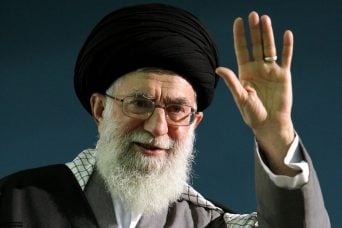
Iran's supreme leader has been killed in a US-Israel military strike, creating significant uncertainty about the country's political succession and governance structure. The assassination threatens to destabilize Iran's leadership and escalate regional tensions, with potential ripple effects across global diplomatic relations and financial markets.
The reported assassination of Iran's supreme leader represents a dramatic escalation in US-Israel military operations and marks a critical turning point in Middle Eastern geopolitics. This strike targets the highest level of Iran's government, eliminating the individual who holds supreme authority over the military, judiciary, and state media. The killing removes a figure who has served as the ultimate decision-maker in Iran's nuclear negotiations, regional proxy activities, and domestic governance for decades.
Historically, Iran's succession process has been opaque and contentious, involving the Guardian Council's selection of a new supreme leader from among the country's senior clerics. The current assassination bypasses this constitutional framework entirely and creates an immediate power vacuum. Previous leadership transitions in Iran have produced factional struggles between hardliners and reformists, with significant delays in filling the top position. This assassination accelerates those dynamics under crisis conditions.
For cryptocurrency and financial markets, geopolitical crises of this magnitude typically trigger flight-to-safety behavior. Investors often move capital into Bitcoin and gold as hedges against escalating regional conflict, currency volatility, and sanctions-driven economic disruption. Oil markets typically spike on Iran-related military actions, which affects energy costs globally and can influence broader macroeconomic conditions affecting risk assets.
Looking ahead, watch for Iran's formal succession announcement, potential military retaliation, and US-led diplomatic responses. Regional allies of Iran—including Syria, Hezbollah, and various Shia militias—may respond militarily, further destabilizing the Middle East. Crypto markets will likely experience increased volatility as investors reassess geopolitical risk premiums.
- →Iran's supreme leader assassination creates immediate political succession uncertainty and power struggle risks among competing factions
- →Regional military escalation potential may trigger increased volatility in Bitcoin, oil prices, and traditional safe-haven assets
- →US-Israel military operations signal willingness to conduct high-risk strikes that could provoke asymmetric Iranian responses
- →Crypto markets typically see increased flows to Bitcoin during geopolitical crises as investors seek non-correlated assets
- →Broad sanctions or military escalation could disrupt global energy markets and trigger macroeconomic headwinds affecting all asset classes