
Iran’s “mosquito fleet” impacts Strait of Hormuz shipping contracts
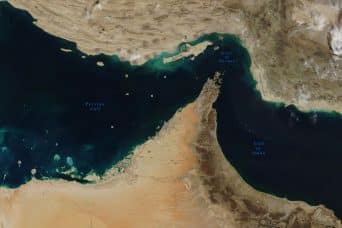
Iran's deployment of small, fast naval vessels—dubbed a "mosquito fleet"—in the Strait of Hormuz is escalating shipping risks and increasing insurance costs for vessels transiting one of the world's most critical energy chokepoints. This military posturing is creating market uncertainty and affecting global shipping contracts as operators reassess geopolitical exposure.
Iran's tactical use of small, agile naval units in the Strait of Hormuz represents a deliberate strategy to project power and disrupt maritime commerce without direct confrontation with larger naval forces. The strait handles roughly 20-30% of global seaborne traded oil, making it economically vital to energy markets worldwide. Iran's "mosquito fleet" approach—leveraging speed and maneuverability rather than conventional naval strength—creates asymmetric risks that traditional insurance models struggle to price accurately, driving up premiums and shipping contract costs.
This escalation reflects broader regional tensions tied to sanctions, nuclear negotiations, and competition for maritime dominance. Iran has historically used naval harassment to leverage geopolitical negotiations, but sustained operations elevate the credibility of disruption threats. The tactic exploits the vulnerability of commercial shipping lanes where merchant vessels operate with minimal military protection.
Shipping companies now face higher operational costs through increased insurance premiums, route diversification expenses, and security upgrades. These costs potentially feed into energy prices and global supply chain inflation, indirectly affecting broader macroeconomic conditions that influence risk asset valuations including cryptocurrencies. Risk-off sentiment triggered by maritime geopolitical tensions typically correlates with crypto market volatility and flight-to-safety dynamics.
Monitoring upcoming developments includes watching for actual incidents, insurance market adjustments, and responses from major shipping nations. Any successful disruption or military escalation could trigger sharp commodity price spikes and broader market volatility, making this a secondary but meaningful factor in macroeconomic and crypto market sentiment.
- →Iran's small-vessel naval tactics create asymmetric risks in the Strait of Hormuz, one of the world's most critical energy chokepoints.
- →Increased shipping insurance premiums and operational costs are raising global trade expenses and potential inflationary pressure.
- →Geopolitical tensions in maritime zones correlate with risk-off sentiment that can trigger crypto market volatility.
- →The strategy exploits commercial shipping vulnerability while avoiding direct military confrontation with larger naval forces.
- →Sustained operations elevate credibility of disruption threats, affecting shipping contract negotiations and route planning.