
US sees rift between Iran’s negotiation team and Revolutionary Guard
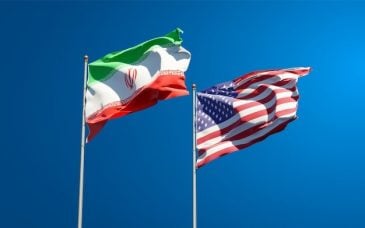
The US intelligence community has identified significant divisions between Iran's diplomatic negotiation team and its Revolutionary Guard Corps, reflecting deeper internal power struggles within Iran's government. This institutional conflict could either complicate or accelerate future diplomatic negotiations, with potential implications for regional stability and global market confidence.
Iran's internal political dynamics have long been characterized by competing power centers, but recent US assessments suggest these divisions are becoming more pronounced between pragmatist negotiators and hardline military factions. The Revolutionary Guard Corps, which controls significant economic interests and maintains ideological influence, often opposes concessions made by Iran's official negotiation teams. This structural tension affects Iran's ability to reach and sustain international agreements, particularly around sanctions relief and nuclear negotiations that directly impact global energy markets and risk premiums.
Historically, these rifts have emerged during periods of intensive diplomatic engagement, most notably during the JCPOA negotiations. The Guard's opposition to agreements limiting Iran's military capabilities stems from both ideological commitment and institutional interests in maintaining economic autonomy through parallel markets. Understanding this dynamic is crucial for predicting Iran's diplomatic reliability and consistency in future talks.
For global markets, particularly cryptocurrency and commodities traders, Iranian political stability affects geopolitical risk assessments. Sanctions regimes depend on Iran's compliance with agreements, and internal divisions create uncertainty about enforcement and adherence. Investors should monitor whether these rifts widen or narrow, as escalating internal conflict could trigger either more aggressive external posturing or institutional paralysis that affects Iran's economic behavior.
Market participants should watch for indicators of which faction gains influence over coming months, including leadership statements, military exercises, and negotiation rhetoric. Clearer dominance by either pragmatists or hardliners would provide greater predictability for risk pricing and geopolitical hedging strategies.
- →Internal power struggle between Iran's negotiators and Revolutionary Guard creates uncertainty in diplomatic outcomes and regional stability
- →Historical pattern shows hardline factions often oppose sanctions relief agreements sought by pragmatist negotiators
- →Geopolitical uncertainty from institutional division affects risk premiums in energy markets and global asset pricing
- →Market predictability depends on which Iranian faction consolidates influence in coming months
- →Investors should monitor leadership signals and military posturing as indicators of internal power balance shifts