
Iran bans military vessels from Strait of Hormuz, impacting UK warship plans
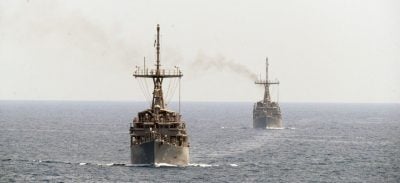
Iran has imposed a ban on military vessels operating in the Strait of Hormuz, a critical chokepoint through which approximately 20% of global oil passes. The restriction escalates regional tensions and threatens to disrupt international naval operations, with UK warship deployments directly impacted by the new policy.
Iran's military vessel ban in the Strait of Hormuz represents a significant escalation in regional geopolitical tensions. The Strait remains one of the world's most strategically vital waterways, with roughly one-fifth of global maritime oil trade transiting through its narrow passage. This Iranian action directly challenges freedom of navigation principles and signals intensifying friction with Western naval presence in the region. The move particularly affects UK military operations, which have maintained a consistent naval presence to ensure trade route security and regional stability.
This development emerges amid broader tensions between Iran and Western powers over nuclear negotiations, sanctions regimes, and regional influence. Previous incidents involving Iranian harassment of commercial vessels and military posturing have created an unpredictable environment. The ban escalates beyond provocative gestures to formal restrictions that could reshape naval deployment strategies across multiple nations.
Cryptocurrency and energy markets remain sensitive to supply chain disruptions. Oil price volatility directly influences broader macroeconomic conditions that affect crypto valuations and market sentiment. A sustained blockade or escalation could trigger oil price spikes, inflationary pressures, and risk-off market conditions that typically pressure risk assets including cryptocurrencies. Energy market uncertainty also impacts mining operations and blockchain infrastructure costs.
Market participants should monitor diplomatic developments closely, as any formal escalation could trigger immediate commodity market reactions. Investors should watch for oil price movements and corresponding shifts in macro sentiment that typically correlate with cryptocurrency market dynamics.
- →Iran's ban on military vessels in the Strait of Hormuz threatens 20% of global oil trade flowing through this critical waterway.
- →The restriction directly impacts UK warship operations and challenges Western naval freedom of navigation in the region.
- →Geopolitical escalation creates volatility risks for oil markets and downstream effects on cryptocurrency valuations.
- →Previous incidents suggest this may be part of a broader pattern of Iranian assertiveness rather than an isolated action.
- →Cryptocurrency markets should monitor oil price movements as risk-off sentiment correlates with digital asset performance.