
Iran imposes new toll system for ships in Strait of Hormuz
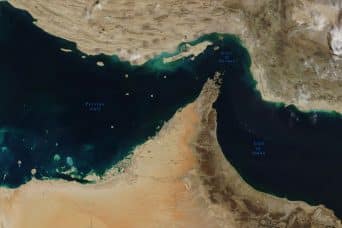
Iran has implemented a new toll system for ships transiting the Strait of Hormuz, a critical chokepoint through which approximately 21% of global petroleum passes. The move is likely to intensify geopolitical tensions and could disrupt energy supply chains, prompting international diplomatic responses.
Iran's introduction of a toll system in the Strait of Hormuz represents a significant escalation in maritime governance within one of the world's most strategically important waterways. The Strait remains essential for global energy security, with millions of barrels of oil and liquefied natural gas flowing through daily. By implementing tolls on transiting vessels, Iran signals both economic intent and political assertion in a region marked by ongoing tensions with Western powers and regional rivals.
This action follows decades of geopolitical friction surrounding Iranian sanctions, nuclear negotiations, and regional proxy conflicts. Previous incidents in the Strait—including tanker seizures and drone attacks—established a pattern of Iranian assertiveness in securing leverage over international commerce. The toll system formalizes this approach within a purportedly legal framework, though international maritime law and freedom of navigation principles remain contested.
For cryptocurrency and blockchain markets, such geopolitical disruptions carry indirect but meaningful implications. Energy price volatility stemming from supply chain uncertainty historically correlates with risk-off market sentiment, potentially depressing speculative assets like crypto. Oil price spikes increase macro inflation concerns, influencing central bank policy and asset valuations. Institutional investors managing diversified portfolios may rebalance away from growth assets toward commodities and traditional hedges.
Monitoring developments requires attention to diplomatic negotiations, potential international coalition responses, and energy market pricing. Should the toll system persist without resolution, sustained elevated oil prices could reshape inflation expectations and monetary policy, ultimately affecting crypto valuations through broader macroeconomic channels.
- →Iran's new toll system targets the Strait of Hormuz, through which 21% of global oil supplies transit daily.
- →The measure escalates geopolitical tensions and introduces supply chain risk for energy-dependent economies.
- →Oil price volatility from shipping disruptions typically triggers risk-off sentiment affecting cryptocurrency markets.
- →International diplomatic responses and sanctions escalation remain probable near-term outcomes.
- →Macro inflation concerns from energy disruption may influence central bank policy and asset allocations.