
Thousands gather in Tehran for Ashura after Khamenei’s death in US-Israeli op
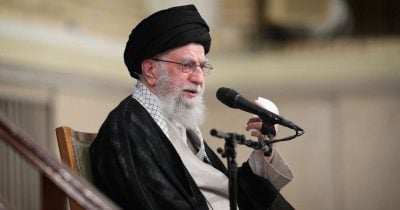
Iran's Supreme Leader Khamenei has reportedly died in a US-Israeli operation, triggering mass gatherings in Tehran during Ashura religious observances. The event threatens to destabilize Iran's political structure, potentially reshaping regional geopolitics and complicating nuclear negotiations with global implications for energy markets and cryptocurrency volatility.
The reported death of Iran's Supreme Leader represents a significant geopolitical shock with far-reaching consequences for global stability. Khamenei's 35-year tenure has made him a central figure in Iran's governance structure, holding power over the military, judiciary, and state media. His removal through military action signals escalating US-Israeli assertiveness in the region and marks a dramatic shift in direct confrontation tactics previously reserved for lower-level targeting.
This event occurs within a decade of rising tensions punctuated by nuclear deal negotiations, proxy conflicts, and periodic military strikes. The assassination of General Soleimani in 2020 provided a precedent for targeted operations, but eliminating the supreme leader represents a qualitative escalation that threatens Iran's institutional continuity. The succession process remains opaque, with potential rivals likely to compete for influence amid internal power struggles.
Cryptocurrency and energy markets face immediate pressure from this development. Geopolitical crises historically trigger safe-haven demand for gold and volatility spikes in energy futures, which indirectly affects crypto market sentiment through macroeconomic uncertainty. Oil price instability resulting from potential Iranian retaliation or supply disruptions could influence inflation expectations and central bank policy responses, creating secondary effects on digital asset valuations.
Investors should monitor developments in the coming weeks regarding succession dynamics, potential Iranian military responses, and implications for JCPOA negotiations. Regional proxy actors may escalate activities amid leadership uncertainty, while Western powers may attempt to shape Iran's institutional transition. The intersection of political transition and military confrontation creates sustained uncertainty affecting risk asset pricing across traditional and digital markets.
- →Iran's Supreme Leader Khamenei reportedly killed in US-Israeli operation, triggering major geopolitical instability
- →Succession struggle likely to intensify regional proxy conflicts and complicate nuclear negotiations
- →Energy market volatility from potential Iranian retaliation could create secondary effects on crypto sentiment and valuations
- →Safe-haven asset demand typically spikes during geopolitical crises, affecting cryptocurrency risk sentiment
- →Investors should expect sustained uncertainty affecting cross-asset valuations until succession stabilizes