
Iran’s Supreme Leader faces internal divisions amid regime stability concerns
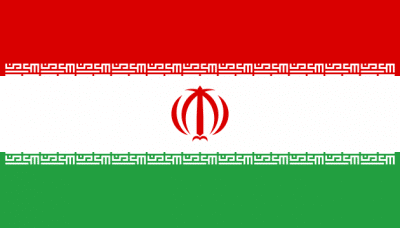
Iran's Supreme Leader Ayatollah Khamenei faces mounting internal divisions within the regime, raising questions about leadership continuity and political stability. These factional tensions could trigger significant shifts in power dynamics and affect Iran's domestic and foreign policy decisions.
Iran's political system, centered on the Supreme Leader's authority, is experiencing notable internal fractures that challenge the regime's institutional cohesion. The divisions reflect deeper disagreements among competing factions—hardliners, pragmatists, and reformers—over economic policy, nuclear negotiations, and governance direction. These tensions have intensified amid economic pressures, international sanctions, and generational shifts within the leadership structure.
Historically, Iran's Supreme Leader has maintained authority through a careful balance of competing interests within the Revolutionary Guard, judiciary, and clerical establishment. Previous leadership transitions, including the 1989 succession from Khomeini to Khamenei, demonstrated how institutional fragmentation can create uncertainty. Current divisions suggest similar vulnerabilities as potential successors position themselves and different power centers advocate conflicting strategies.
For cryptocurrency and blockchain markets, geopolitical instability in Iran carries indirect implications. Regime uncertainty historically correlates with capital flight and increased demand for alternative financial instruments, potentially driving crypto adoption in Iran and neighboring regions. Sanctions-related financial restrictions have already positioned cryptocurrencies as practical tools for circumventing banking channels, and leadership instability could accelerate this trend.
Investors should monitor how these divisions affect Iran's compliance with international agreements and sanctions enforcement. Shifts in leadership could alter Iran's approach to crypto regulation or sanctions evasion, impacting token flows and cross-border transactions involving Iranian actors. The coming months will reveal whether these divisions lead to institutional reform or further consolidation of power.
- →Internal factional tensions within Iran's regime threaten the stability of Khamenei's centralized authority structure.
- →Leadership divisions may trigger policy shifts on economic, nuclear, and governance matters affecting regional stability.
- →Geopolitical uncertainty in Iran historically increases demand for alternative financial systems including cryptocurrency.
- →Potential leadership transitions could reshape Iran's approach to sanctions compliance and digital asset regulation.
- →Investors should monitor regime developments as indicators of capital flight and crypto adoption pressure in the region.