
Iraq to export crude and naphtha through Syria after Strait of Hormuz closure
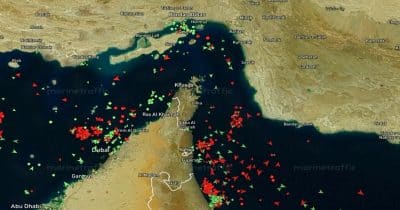
Iraq is redirecting crude oil and naphtha exports through Syria to circumvent Strait of Hormuz disruptions, signaling a critical shift in Middle Eastern supply chain logistics. This geopolitical maneuver exposes vulnerabilities in global oil infrastructure and could influence energy markets and cryptocurrency volatility tied to macroeconomic stability.
Iraq's decision to route exports through Syrian territory represents a significant adaptation to regional instability affecting one of the world's most critical chokepoints. The Strait of Hormuz handles approximately one-third of global seaborne oil trade, making any disruption a systemic risk to energy markets. By establishing alternative export corridors, Iraq attempts to maintain revenue streams while reducing exposure to shipping risks in contested waters. This development reflects broader geopolitical tensions that have periodically threatened global energy security.
The shift underscores how Middle Eastern tensions cascade through interconnected supply chains. Previous Hormuz closures or threats have triggered oil price spikes, subsequently impacting inflation, central bank policy decisions, and cryptocurrency volatility. Investors track energy disruptions closely because oil price movements correlate with macroeconomic conditions that influence risk appetite and digital asset valuations.
For cryptocurrency markets, this development carries indirect but meaningful implications. Energy cost increases from supply chain disruptions drive inflation concerns, which historically increase volatility in crypto markets as investors reassess portfolio allocations during macro uncertainty. Additionally, geopolitical events that threaten traditional financial infrastructure sometimes drive capital toward decentralized assets, though this effect remains contested.
Monitoring Iraq-Syria trade dynamics and broader Strait of Hormuz stability becomes essential for macro-focused traders. Any successful alternative export infrastructure could reduce energy market volatility long-term, or conversely, failed routing attempts could trigger acute supply shocks. The sustainability of these new logistics depends on Syrian political stability and international sanctions frameworks.
- →Iraq rerouting exports through Syria indicates structural changes in Middle East oil logistics due to Hormuz vulnerabilities
- →Alternative export corridors could reduce energy market volatility if successfully maintained
- →Oil supply disruptions historically trigger cryptocurrency volatility through macroeconomic channels
- →The viability of Syria routes depends on geopolitical stability and international sanctions compliance
- →Energy infrastructure diversification in the region may reshape long-term commodity pricing dynamics