
Iraq seeks to boost oil output to 3M barrels/day after US-Iran Strait deal
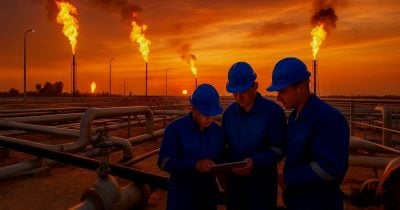
Iraq announces plans to increase oil production to 3 million barrels per day following a US-Iran agreement regarding the Strait of Hormuz. The move aims to stabilize global oil prices, reduce geopolitical tensions, and strengthen energy security in an evolving market landscape.
Iraq's production increase represents a significant development in global energy markets with cascading implications for macroeconomic stability. By ramping up to 3 million barrels daily, Iraq positions itself as a stabilizing force in oil supply, directly responding to diplomatic breakthroughs between the US and Iran that have reduced tensions in one of the world's most critical chokepoints. This geopolitical de-escalation creates space for increased energy production without the risk premium typically associated with Middle Eastern supply disruptions.
Historically, Iraq has struggled to maintain consistent production due to infrastructure challenges, security concerns, and competing interests from regional powers. Recent reconstruction efforts and foreign investment in oil infrastructure have gradually improved capacity. The US-Iran Strait agreement removes a major uncertainty that had kept global markets on edge—the potential for supply shocks from military confrontation or sanctions enforcement in the Persian Gulf. This diplomatic thaw creates more predictable conditions for long-term investment in Iraqi oil fields.
For cryptocurrency and digital asset markets, stable oil prices reduce inflation volatility and currency depreciation risks in oil-dependent economies, indirectly supporting crypto valuations during uncertain macroeconomic periods. Lower geopolitical risk premiums in energy markets typically correlate with reduced safe-haven demand for alternative assets. Traders should monitor whether increased Iraqi supply actually materializes and how OPEC responds, as production cuts could offset the stabilizing effect. Energy sector stocks and emerging market assets tied to oil-importing nations may see positive pressure from lower energy costs.
- →Iraq targets 3 million barrels/day production as part of broader US-Iran diplomatic breakthrough.
- →Increased Iraqi oil supply could stabilize global prices and reduce Middle East geopolitical risk premiums.
- →Reduced energy cost volatility may indirectly benefit cryptocurrency markets by lowering macro inflation concerns.
- →Success depends on sustained infrastructure investment and OPEC's response to increased non-OPEC supply.
- →The agreement signals a shift toward negotiated solutions rather than military confrontation in the Persian Gulf.