
Iraq reaffirms OPEC membership while quietly pushing for a bigger slice of the pie
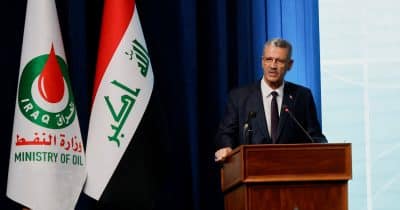
Iraq is maintaining its OPEC membership while simultaneously advocating for an increased crude oil production quota. This internal cartel tension reflects broader geopolitical and economic pressures that could influence global oil supply dynamics and cryptocurrency markets sensitive to energy costs.
Iraq's dual strategy of reaffirming OPEC commitment while pursuing quota expansion reveals fundamental fractures within the oil cartel's consensus. The nation faces domestic economic pressures requiring higher revenue generation, creating friction with OPEC's supply management framework designed to maintain price stability. This tension mirrors recurring challenges OPEC faces in balancing individual member interests against collective output agreements.
The underlying context stems from Iraq's substantial oil reserves and financial needs following years of conflict and reconstruction. As the cartel seeks to balance market supply against price sustainability, member states increasingly prioritize national economic interests. Iraq's position reflects a broader trend where OPEC members leverage their strategic importance to negotiate better terms within established quota systems.
For cryptocurrency and blockchain markets, oil price volatility directly impacts computational costs and energy expenses for mining operations. Higher energy prices from OPEC supply uncertainty could increase operational costs for proof-of-work networks like Bitcoin, potentially affecting network security and transaction throughput. Energy-intensive blockchain projects face particular vulnerability to petroleum price swings that influence electricity costs in regions dependent on oil-based power generation.
The evolution of OPEC dynamics warrants monitoring as Iraq and other members test cartel boundaries. Sustained quota disputes could fragment supply management coordination, creating price volatility that ripples through energy-dependent industries including cryptocurrency infrastructure. Investors should track OPEC meeting announcements and Iraq's production announcements for signals of supply trajectory shifts.
- →Iraq maintains OPEC membership while seeking higher production quotas to address domestic revenue needs
- →Increasing member tensions suggest OPEC's supply coordination framework faces sustainability challenges
- →Oil price volatility from OPEC disputes directly raises computational costs for proof-of-work blockchain networks
- →Energy-intensive cryptocurrency operations face margin pressure if petroleum prices rise from cartel fragmentation
- →Future OPEC decisions on Iraq's quota request will signal cartel cohesion and global energy market direction