
Iraq redirects oil exports through Syria, bypassing Strait of Hormuz
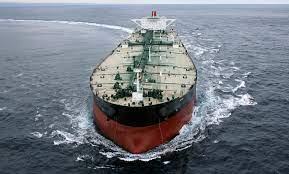
Iraq is redirecting oil exports through Syria to bypass the Strait of Hormuz, signaling a significant shift in regional oil logistics and geopolitical strategy. This rerouting reflects broader tensions in the Middle East and has implications for global energy markets and cryptocurrency-sensitive macro conditions.
Iraq's decision to redirect oil exports through Syria represents a strategic pivot away from traditional shipping routes controlled by potential adversaries. By bypassing the Strait of Hormuz—a chokepoint through which roughly 21% of global petroleum passes—Iraq reduces exposure to regional tensions and potential maritime disruptions. This move reflects deepening Iraq-Syria cooperation and suggests both nations seek alternatives to routes vulnerable to blockade or military intervention.
The geopolitical context involves escalating tensions between Iran-aligned forces and Western interests throughout the Middle East. Iraq's pivot toward Syrian routes indicates shifting alliances and economic partnerships that prioritize regional autonomy. Historically, the Strait of Hormuz has been a flashpoint for energy market volatility; any successful alternative routing reduces this vulnerability for participating nations.
For cryptocurrency and macro markets, this development carries subtle but important implications. Oil price stability affects broader macroeconomic conditions, inflation expectations, and central bank policy—all factors influencing digital asset valuations. Reduced Strait of Hormuz dependency could theoretically lower energy price volatility, though geopolitical risks remain elevated. Additionally, such infrastructure shifts often precede sanctions regimes or economic decoupling, which can drive crypto adoption in affected regions as hedges against currency depreciation.
Investors should monitor whether additional producers follow Iraq's example, which could reshape global energy logistics and reduce traditional chokepoint vulnerabilities. Watch for sanctions escalation that might accelerate alternative payment mechanisms including cryptocurrencies for oil trade.
- →Iraq bypasses the Strait of Hormuz by routing oil through Syria, reducing exposure to regional maritime tensions
- →This rerouting reflects broader Middle East geopolitical realignment and deepening Iraq-Syria economic cooperation
- →Reduced Hormuz dependency could lower energy price volatility, affecting macroeconomic conditions and crypto market dynamics
- →Alternative trade routes may incentivize cryptocurrency adoption as sanctions-resistant payment mechanisms in the region
- →Monitor whether other producers adopt similar rerouting strategies, signaling structural shifts in global energy logistics