
Iraq reroutes oil exports through Syria, bypassing Strait of Hormuz
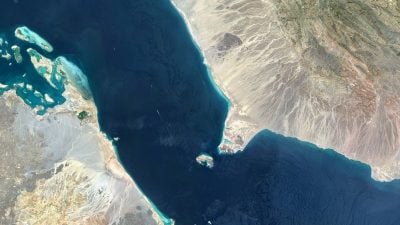
Iraq has established a new oil export route through Syria that bypasses the Strait of Hormuz, a critical chokepoint controlling roughly 20% of global oil supply. This geopolitical shift could reduce regional tensions and stabilize energy markets by diversifying export pathways away from the strategically vulnerable strait.
Iraq's decision to reroute oil exports through Syria represents a significant realignment in Middle Eastern energy infrastructure. The Strait of Hormuz has long served as a vulnerability point for global oil markets, with recurring tensions between Iran, the United States, and regional actors creating periodic supply disruptions. By establishing an alternative corridor through Syria, Iraq reduces its exposure to potential blockades or military conflicts that could cripple its export capacity and destabilize global energy prices.
This development emerges within broader Middle Eastern geopolitical recalibration, including normalizing relations between previously hostile nations and shifting energy dependencies. The Syrian route offers Iraq operational independence and reduces reliance on a single chokepoint, lowering systemic risk in global energy markets. For cryptocurrency and digital asset markets, oil price stability is material—volatile energy markets create macroeconomic uncertainty that directly influences investor risk appetite and asset valuations.
The market implications extend across multiple sectors. Stabilized oil supplies could moderate inflation expectations, affecting central bank policy and consequently cryptocurrency adoption patterns. Energy-intensive sectors like blockchain infrastructure and crypto mining benefit from predictable commodity costs. Investors tracking macro trends should monitor whether this route expansion influences oil price volatility metrics and broader energy market sentiment.
Looking ahead, the sustainability and capacity of this Syrian corridor remain critical questions. Geopolitical disruptions, sanctions, or infrastructure challenges could limit its effectiveness, potentially sending markets back to Strait of Hormuz dependency. Long-term success depends on stable Syria-Iraq relations and international acceptance of the route, variables subject to rapid change in the volatile Middle East.
- →Iraq bypasses Strait of Hormuz by routing oil exports through Syria, reducing a critical geopolitical bottleneck
- →Alternative export corridors lower systemic risk in global energy markets and stabilize oil price expectations
- →Stable energy supply reduces macroeconomic uncertainty, potentially steadying cryptocurrency and asset markets
- →Syrian route sustainability depends on regional stability and international acceptance, both uncertain variables
- →Energy market stabilization could moderate inflation expectations and influence central bank policy globally