
Iraq resumes southern oil exports after month-long Strait of Hormuz halt
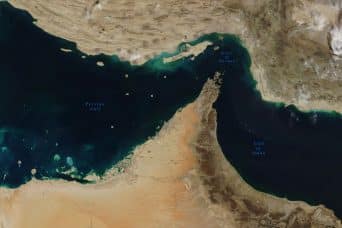
Iraq has resumed oil exports through its southern ports after a month-long disruption related to Strait of Hormuz tensions, signaling a potential de-escalation of regional geopolitical risks. The resumption reduces immediate conflict concerns and stabilizes global oil supply expectations, with implications for energy prices and macro market conditions that influence cryptocurrency volatility.
Iraq's decision to resume southern oil exports after a month-long halt represents a significant reduction in regional tension and geopolitical risk premium. The Strait of Hormuz disruption created uncertainty in global energy markets, as this critical chokepoint controls approximately 20-30% of world seaborne petroleum trade. The halt threatened to tighten global supply and push crude prices higher, creating downstream effects across energy-dependent economies and financial markets.
The resumption reflects evolving diplomatic or military dynamics in the Middle East, where tensions between Iran, Iraq, and various regional actors have periodically disrupted trade flows. This pattern of disruption and recovery has become increasingly relevant to crypto markets, which exhibit sensitivity to macroeconomic shocks and risk-off sentiment. Energy price volatility directly influences central bank policy expectations and inflation trajectories, both critical variables that traders monitor when assessing cryptocurrency valuations and broader risk appetite.
From a market perspective, stable energy supplies reduce stagflation concerns that typically drive investors toward defensive assets or away from high-beta risk assets like cryptocurrencies. Oil price stability supports better earnings expectations for non-energy sectors and reduces uncertainty premiums in equity and fixed-income markets. Crypto investors benefit from normalized macro conditions, as extreme oil volatility often correlates with wider market stress and forced liquidations across asset classes.
Looking ahead, traders should monitor whether this de-escalation holds or whether new tensions emerge. Sustained regional stability would support risk-on sentiment globally, potentially improving conditions for cryptocurrency markets. Any future disruptions to the Strait of Hormuz would likely trigger sharp oil price spikes and renewed macro volatility that could pressure crypto valuations.
- →Iraq's oil export resumption signals reduced Middle East tensions and lower geopolitical risk premium in energy markets.
- →Stable oil supplies support macro stability, reducing stagflation concerns that suppress cryptocurrency risk appetite.
- →Energy price normalization improves central bank policy clarity, benefiting crypto valuations through reduced macro uncertainty.
- →Continued monitoring of Strait of Hormuz stability is essential as future disruptions could trigger sharp market volatility.
- →Regional de-escalation typically correlates with broader risk-on sentiment, supporting higher-beta assets including cryptocurrencies.