
Iraq to triple crude oil exports via Ceyhan pipeline amid Strait of Hormuz closure
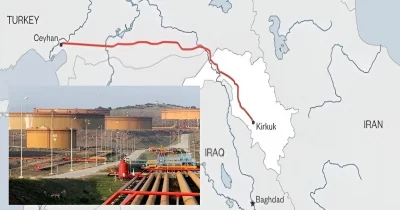
Iraq plans to triple crude oil exports through the Ceyhan pipeline in response to geopolitical tensions affecting the Strait of Hormuz. This strategic shift reveals critical vulnerabilities in global oil supply chains and demonstrates how regional conflicts can force energy producers to diversify export routes.
Iraq's decision to significantly increase crude oil shipments via the Ceyhan pipeline represents a major recalibration of Middle Eastern energy logistics. The move reflects growing concerns about shipping disruptions through the Strait of Hormuz, a chokepoint through which approximately one-third of global maritime oil trade passes. By routing additional exports northward through Turkey to the Mediterranean, Iraq reduces exposure to maritime risks and geopolitical volatility in the Persian Gulf.
This strategic pivot stems from years of escalating regional tensions, including drone strikes on tankers, naval confrontations, and threats to freedom of navigation. The Strait of Hormuz has become increasingly unreliable as a primary export corridor, prompting energy producers to seek alternative routes. The Ceyhan pipeline offers Iraq greater control over its export destiny while improving delivery predictability to European and other international markets.
For energy markets and cryptocurrency-sensitive macro factors, this development has dual implications. Higher transportation costs and supply chain complexity could support elevated oil prices, affecting inflation expectations and macroeconomic conditions that influence crypto markets. Additionally, the diversification away from Hormuz-dependent routes reduces the risk of sudden supply shocks that could destabilize global energy markets and trigger crypto volatility.
Looking forward, watch for capacity expansions along the Ceyhan route and whether other Gulf producers pursue similar diversification strategies. Any further Strait of Hormuz disruptions would immediately validate Iraq's pipeline investments, while stable regional conditions could reduce the urgency of these transitions. The broader trend suggests energy infrastructure increasingly reflects geopolitical risk management rather than pure economic optimization.
- →Iraq is tripling crude exports through the Ceyhan pipeline to bypass Strait of Hormuz vulnerabilities and geopolitical risks.
- →The Strait of Hormuz handles roughly one-third of global maritime oil trade, making diversification economically and strategically critical.
- →Alternative export routes reduce systemic risk to global oil supplies and potential macro shocks affecting cryptocurrency markets.
- →Regional tensions and maritime security concerns are driving structural changes in Middle Eastern energy infrastructure.
- →This trend may encourage other Gulf producers to develop similar diversification strategies away from high-risk chokepoints.