
IRGC attacks commercial ships in Strait of Hormuz, UK warship deployment uncertain
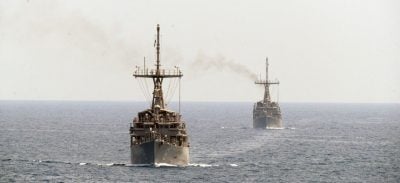
Iran's Islamic Revolutionary Guard Corps (IRGC) has conducted attacks on commercial vessels transiting the Strait of Hormuz, a critical global maritime chokepoint through which approximately 21% of world petroleum passes daily. Concurrent uncertainty regarding UK naval deployment to the region signals escalating geopolitical tensions that threaten supply chain stability and energy markets.
The IRGC's attacks on commercial shipping in the Strait of Hormuz represent a significant escalation in regional tensions with far-reaching economic implications. The Strait remains one of the world's most strategically vital waterways, and disruptions to maritime traffic directly impact global energy prices, shipping costs, and supply chain reliability. These incidents suggest a deliberate strategy to increase pressure on international actors while testing responses to Iranian aggression in the region.
Historically, tensions in the Strait have fluctuated with broader US-Iran relations and regional geopolitical dynamics. Prior incidents include tanker seizures, drone attacks, and mine-laying operations. The current escalation appears connected to wider regional instability, including conflicts in Yemen and Iraq where Iranian proxies maintain significant influence. The uncertainty surrounding UK warship deployment reflects NATO allies' cautious approach to direct military escalation while attempting to maintain freedom of navigation.
Commodity markets, particularly crude oil and liquefied natural gas, respond sensitively to Strait of Hormuz disruptions. Elevated shipping insurance premiums and rerouting expenses increase operational costs for importers globally. For cryptocurrency markets, geopolitical crises typically trigger flight-to-safety dynamics, potentially supporting Bitcoin and other stores-of-value assets while pressuring risk-on alternatives. Energy prices may inflate, creating macroeconomic headwinds that influence central bank policy and broader risk appetite.
Market participants should monitor shipping indices, insurance rates, and oil price movements as leading indicators of escalation severity. The trajectory of UK and allied naval positioning will signal the international community's commitment to maintaining maritime security in this critical corridor.
- →IRGC attacks on Strait of Hormuz shipping threaten 21% of global petroleum supply transit
- →Uncertain UK warship deployment reflects cautious NATO approach to direct military escalation
- →Disruptions increase shipping costs and energy prices, creating macroeconomic headwinds
- →Geopolitical crises typically strengthen safe-haven assets like Bitcoin while weakening risk assets
- →Shipping insurance premiums and oil price movements are critical indicators to monitor for escalation trends