
IRGC forces US troops out of Hormuz Strait after Iranian ship attack
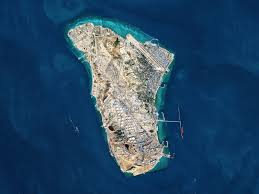
Iranian Revolutionary Guard Corps (IRGC) forces allegedly expelled US military personnel from the Hormuz Strait following an attack on an Iranian vessel. This escalation threatens regional stability and could disrupt global shipping lanes critical to energy markets and international trade, with potential ripple effects on commodity prices and geopolitical risk premiums.
The reported IRGC action in the Hormuz Strait represents a significant escalation in US-Iran regional tensions. The Strait of Hormuz serves as a critical chokepoint for global oil exports, with roughly 20% of the world's petroleum passing through its waters daily. Any military confrontation or sustained disruption in this corridor directly impacts energy prices and creates immediate uncertainty in commodity markets.
This incident follows a pattern of escalating maritime incidents in the Persian Gulf, reflecting deepening US-Iran hostilities over the past several years. Tensions have intensified since the 2018 US withdrawal from the Joint Comprehensive Plan of Action (JCPOA), which restored sanctions on Iran and limited its economic participation in global markets. These geopolitical frictions have periodically driven investors toward safe-haven assets, including precious metals and, increasingly, cryptocurrencies perceived as non-correlated alternatives.
For cryptocurrency and broader financial markets, geopolitical crises in oil-producing regions typically trigger risk-off sentiment that can suppress risk assets like crypto, while simultaneously boosting demand for inflation hedges. Oil price volatility from Hormuz disruptions feeds into broader energy cost inflation, which affects macroeconomic conditions and central bank policy responses. Investors monitoring crypto market correlations with geopolitical risk should track Brent crude pricing and broader Middle East tensions as leading indicators.
The coming weeks will determine whether this represents isolated posturing or sustained military escalation. Any protracted disruption to Hormuz shipping would force global energy markets into crisis mode, potentially triggering coordinated policy responses and reshaping investor risk appetite across all asset classes, including digital assets.
- →IRGC actions in Hormuz Strait threaten 20% of global oil exports and create immediate supply chain risks
- →Regional escalation reflects ongoing US-Iran hostilities following 2018 JCOPA withdrawal and reimposed sanctions
- →Geopolitical crises typically trigger risk-off sentiment that suppresses crypto prices while boosting safe-haven demand
- →Oil price volatility from potential Hormuz disruptions feeds into inflation expectations and monetary policy decisions
- →Sustained military escalation could reshape global investor risk appetite across all asset classes