
IRGC claims enemy ship forced to retreat in Strait of Hormuz during ceasefire
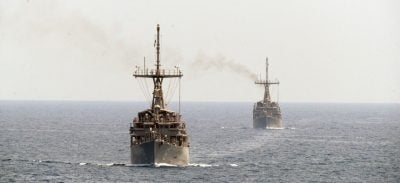
The Iranian Revolutionary Guard Corps (IRGC) claims to have forced a foreign naval vessel to retreat in the Strait of Hormuz during an ongoing ceasefire, potentially deterring UK naval operations. This escalation in the strategically critical waterway could disrupt global oil transit and destabilize the already volatile Middle Eastern geopolitical landscape.
The IRGC's reported confrontation with a naval vessel during a ceasefire period signals escalating tensions in the Strait of Hormuz, one of the world's most critical chokepoints for energy transit. Approximately 21% of global petroleum passes through this narrow waterway, making military incidents here inherently consequential for commodity markets and broader economic stability. The timing during a ceasefire suggests deliberate signaling rather than accidental escalation, with Iran demonstrating resolve to deter international naval presence in waters it considers strategically vital.
This confrontation reflects deeper regional power struggles involving US, UK, and Iranian interests. The IRGC has repeatedly challenged Western naval operations in the Gulf, using asymmetric tactics to project influence without full-scale conflict. Previous incidents, including oil tanker seizures and drone operations, established a pattern of assertive behavior when Iran perceives external pressure. The current claim serves domestic political purposes while warning Western powers against deeper involvement in regional affairs.
For cryptocurrency and commodity markets, Strait of Hormuz incidents create volatility through oil price uncertainty. Energy price spikes directly impact inflation expectations and central bank policy decisions, which ripple through macro asset classes including crypto. Risk-averse investors typically rotate toward safe havens during Middle East tensions, potentially supporting gold and established cryptocurrencies as hedges. Traders should monitor shipping insurance premiums and crude oil futures as leading indicators of escalation severity.
Continued IRGC assertions of naval dominance could prompt NATO responses, potentially triggering broader confrontation. Market participants should track official statements from UK, US, and Iran regarding operational security in the Strait to gauge true escalation risk versus rhetorical posturing.
- →IRGC claims to have forced naval retreat during ceasefire, signaling assertive regional posturing
- →Strait of Hormuz incidents threaten 21% of global oil transit, creating commodity market volatility
- →Oil price uncertainty from geopolitical tensions typically increases macro asset class volatility including crypto
- →The incident reflects pattern of Iranian asymmetric tactics rather than full-scale military escalation
- →Traders should monitor shipping costs and crude futures as escalation indicators affecting broader markets