
IRGC warns US of ‘impossible’ war or ‘bad deal’ amid rising tensions
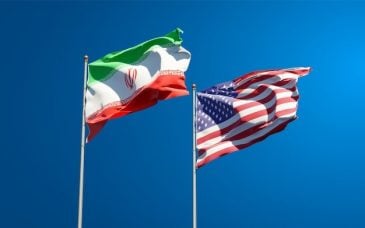
The Islamic Revolutionary Guard Corps has issued a stark warning to the United States regarding escalating tensions, presenting two scenarios: an 'impossible' military conflict or a negotiated settlement. Rising US-Iran hostilities threaten to destabilize global oil markets and undermine diplomatic resolution efforts, with significant implications for geopolitical and economic stability.
The IRGC's ultimatum reflects intensifying brinkmanship between Washington and Tehran, signaling that both parties face binary outcomes with limited middle ground. This rhetorical escalation typically precedes either military confrontation or urgent diplomatic negotiations, leaving little room for status quo maintenance. The warning's framing suggests Iranian leadership believes the current trajectory is unsustainable and demands immediate resolution through either capitulation or conflict.
US-Iran tensions have cyclically intensified since the 2018 withdrawal from the Joint Comprehensive Plan of Action (JCPOA). Regional proxy conflicts, sanctions regimes, and nuclear program disputes have created persistent friction. The current warning arrives amid broader Middle Eastern instability, including Israeli-Palestinian conflict dynamics and shifting Gulf state alignments. These factors have consistently created unpredictability in international relations.
Oil market vulnerability represents the primary economic concern. Iran produces approximately 3.8 million barrels daily, and any military disruption could trigger crude price spikes affecting global inflation, interest rates, and asset valuations. Cryptocurrency markets often correlate with macroeconomic shocks and oil price volatility, with Bitcoin historically serving as a hedge during geopolitical crises. Energy sector stocks and petroleum futures would face immediate pressure from escalation.
Investors should monitor diplomatic channels and military posturing indicators for concrete signals of conflict or negotiation. Major developments include UN communications, sanctions announcements, or military positioning in the Persian Gulf. The coming weeks will likely determine whether de-escalation mechanisms activate or tensions accelerate toward direct confrontation.
- →IRGC presents binary choice between military conflict or negotiated settlement, rejecting middle-ground options
- →Oil market disruption risk could spike crude prices and trigger broader macroeconomic volatility
- →Cryptocurrency markets may experience defensive buying as geopolitical hedge during escalation
- →Diplomatic resolution timeline remains unclear; military confrontation carries catastrophic economic consequences
- →Regional instability interconnects with Gulf state policies, nuclear negotiations, and sanctions enforcement