
IRGC locks 16 cruise missiles on US warships in Strait of Hormuz, prompting retreat
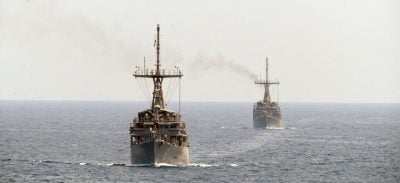
The Iranian Revolutionary Guard Corps locked targeting systems on 16 cruise missiles at US naval vessels in the Strait of Hormuz, forcing a military retreat. The incident underscores escalating geopolitical tensions in a critical global shipping corridor, raising concerns about regional stability and its cascading effects on commodity prices and market sentiment.
The missile lock-on incident represents a significant escalation in US-Iran military posturing within one of the world's most strategically important waterways. The Strait of Hormuz serves as the passage for approximately 20% of global oil trade, making any military confrontation in this region a direct threat to energy security and price stability. The incident signals that diplomatic tensions have deteriorated to a point where both parties are conducting active military operations with elevated risk of miscalculation.
Historically, the US and Iran have engaged in brinkmanship tactics throughout 2024, with periodic naval exercises and rhetoric amplifying concerns about regional conflict. Previous incidents involving drone strikes and naval standoffs have temporarily spiked oil prices and triggered cryptocurrency volatility as markets price in geopolitical risk premiums. This latest escalation follows months of heightened Middle East tensions stemming from broader Middle East conflicts and US sanctions policy.
For cryptocurrency and financial markets, geopolitical instability in the Persian Gulf typically correlates with risk-off sentiment and flight-to-safety dynamics. Oil price spikes increase inflation expectations, potentially influencing Federal Reserve policy decisions that directly impact digital asset valuations. Investors traditionally hedge geopolitical risk through commodities, safe-haven assets, and sometimes Bitcoin as a non-correlated store of value. The fragile ceasefire mentioned in the article suggests the situation remains unpredictable, with potential for further escalation that could drive sustained market volatility.
Market participants should monitor oil price movements, Treasury yield changes, and official statements from both parties for signals of de-escalation or further military action. Any sustained conflict could disrupt supply chains, elevate energy costs, and trigger broader macroeconomic uncertainty affecting all asset classes.
- →Iran locked 16 cruise missiles on US warships in Strait of Hormuz, highlighting military escalation in a critical global oil shipping corridor
- →The incident raises immediate concerns about geopolitical risk and potential disruption to 20% of global oil trade
- →Cryptocurrency markets typically experience volatility during Middle East geopolitical crises due to oil price uncertainty and macro policy implications
- →Risk-off sentiment from military confrontation may drive investors toward safe-haven assets including gold and potentially Bitcoin
- →The fragile ceasefire creates unpredictability requiring continuous monitoring of official statements and military positioning