
IRGC ready to respond to US, Israel aggression amid market certainty of strikes
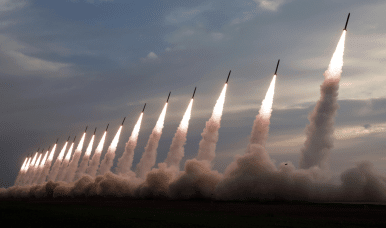
Heightened geopolitical tensions between the IRGC, US, and Israel threaten regional stability and could trigger market volatility across global assets including cryptocurrencies. Market participants are pricing in the likelihood of military strikes, which carries significant risks for macro stability and investor sentiment.
Geopolitical conflicts fundamentally reshape global market dynamics through multiple transmission channels. When military tensions escalate between major regional powers, risk-off sentiment typically spreads across all asset classes, including cryptocurrencies. Bitcoin and other digital assets have historically served as hedges during geopolitical uncertainty, though they also experience selling pressure during acute crisis moments as investors liquidate positions for margin calls or cash needs.
The current situation stems from longstanding regional rivalries and recent escalations in Middle Eastern tensions. These conflicts create unpredictable macro conditions that central banks and policymakers must navigate, potentially influencing monetary policy decisions that directly impact cryptocurrency valuations. Uncertainty about energy markets and supply chains adds another layer of complexity, as oil price spikes from regional disruptions can trigger inflation concerns and broader financial market dislocations.
Crypto markets face dual pressures in this environment. Flight-to-safety flows may support Bitcoin as a non-correlated asset, while simultaneous deleveraging events and margin liquidations can trigger sharp selloffs. Energy-dependent aspects of blockchain infrastructure, particularly proof-of-work mining, become vulnerable if regional supply disruptions spike energy prices. Financial derivatives markets pricing in higher volatility will affect options and futures positioning across crypto exchanges.
Market participants should monitor escalation timelines, sanctions implications, and oil market responses. The absence of concrete price targets or transaction-level impacts in the article limits immediate actionability, but the correlation between geopolitical risk premiums and crypto volatility remains well-established. Investors with significant leverage face particular exposure to rapid repricing events.
- →Escalating IRGC-US-Israel tensions increase systemic risk across global markets including cryptocurrencies
- →Bitcoin historically rallies on geopolitical uncertainty but faces pressure during acute liquidity crises
- →Energy market disruptions from regional conflict could impact mining economics and network operations
- →Margin-dependent traders face liquidation risks if crisis triggers sharp selloffs across correlated assets
- →Central bank policy responses to inflation from energy shocks may indirectly affect crypto valuations