
IRGC claims missile attack on US aircraft at Jordan’s Al-Azraq Air Base
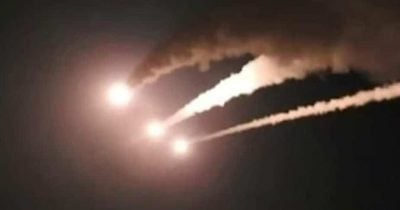
The Iranian Revolutionary Guard Corps (IRGC) has claimed responsibility for a missile attack targeting US aircraft at Al-Azraq Air Base in Jordan, escalating regional military tensions. The incident threatens airspace closures and increased military escalation, creating geopolitical uncertainty that typically increases safe-haven asset demand and volatility across global markets.
The IRGC's claimed missile strike represents a significant escalation in Middle Eastern military hostilities, directly involving US assets and expanding the conflict beyond previous proxy engagements. This action signals Iran's willingness to conduct direct military operations against American forces, fundamentally shifting the regional calculus and triggering immediate concerns about broader conflict expansion. Historically, such Middle Eastern military incidents correlate with increased cryptocurrency volatility and capital flows toward perceived safe-haven assets, as investors hedge against geopolitical uncertainty and potential supply chain disruptions.
This incident occurs within a broader pattern of escalating US-Iran tensions and regional proxy conflicts. The targeting of a Jordanian air base adds complexity by involving a US-aligned nation directly in the confrontation, potentially fragmenting regional coalitions and complicating diplomatic resolution pathways. Previous similar escalations have prompted aviation restrictions, commodity price volatility, and temporary market disruptions.
For crypto and traditional markets, the immediate impact centers on risk-off sentiment. Bitcoin and other cryptocurrencies often experience price appreciation during geopolitical crises as investors seek alternatives to fiat currency exposure and regional banking system risks. Oil prices face upward pressure due to supply uncertainty concerns in a critical global energy region. Equity markets typically contract initially on conflict fears, though duration and intensity of the crisis determine longer-term impacts.
Market participants should monitor escalation indicators including further military strikes, official US response measures, regional ally positioning, and airspace closure announcements. These factors will determine whether this represents a contained tactical action or the beginning of broader conflict expansion with sustained market implications.
- →IRGC claimed direct missile attack on US aircraft in Jordan, representing significant escalation in regional military tensions
- →Geopolitical crises typically drive cryptocurrency demand as safe-haven assets during periods of conflict-related uncertainty
- →Oil price volatility expected due to supply concerns in critical Middle East region affecting global energy markets
- →Airspace closures and aviation restrictions could create supply chain disruptions impacting multiple asset classes
- →Monitor US military response and regional ally positioning for indicators of further escalation