
IRGC claims missile strikes on US Al-Azraq air base in Jordan, crypto markets feel the shockwave
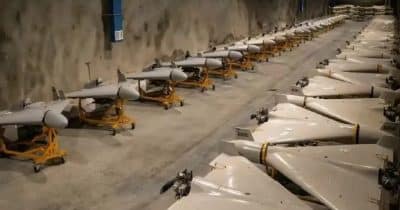
The Iranian Revolutionary Guard Corps (IRGC) claimed responsibility for missile strikes on the US Al-Azraq air base in Jordan, marking an escalation in regional military tensions. This geopolitical development has triggered crypto market volatility as investors reassess risk exposure amid uncertainty surrounding potential broader conflict expansion and its economic consequences.
The IRGC's alleged missile strike represents a direct military escalation in Middle Eastern tensions, signaling a shift from proxy conflicts to more overt state-level confrontation. This development matters because military actions of this scale typically precede broader regional instability, which historically disrupts global supply chains, energy markets, and financial systems. The strike on a US military installation in Jordan indicates the conflict dynamics are evolving beyond previous containment patterns.
Regional tensions in the Middle East have simmered for years through proxy warfare and sanctions regimes, but direct military strikes on US bases represent a qualitative change. The timing and scale of the IRGC's claimed action suggest either a calculated response to prior incidents or an intentional signal of willingness to engage in higher-risk confrontation. This shift reflects deteriorating diplomatic channels and reduced confidence in de-escalation mechanisms.
Crypto markets experience immediate volatility during geopolitical crises as investors flee to perceived safe havens or adjust portfolio risk. Bitcoin and other cryptocurrencies often benefit during currency debasement scenarios or when traditional markets face uncertainty, but acute military escalation typically triggers risk-off sentiment first. Investors reassess exposure to assets perceived as volatile or speculative when global stability is questioned. Energy prices become central to crypto profitability calculations, as mining operations face higher power costs during supply disruptions.
Market participants should monitor escalation indicators including official diplomatic statements, additional military actions, and sanctions announcements. The duration and severity of this tension will determine whether volatility remains temporary or reflects longer-term portfolio repositioning.
- →Direct IRGC missile strikes on US bases represent escalation beyond previous proxy warfare patterns in Middle Eastern tensions.
- →Geopolitical crises typically trigger initial risk-off sentiment, pushing investors toward safer assets before any crypto-specific flight-to-safety dynamics emerge.
- →Energy market disruptions from regional conflicts directly impact cryptocurrency mining profitability and operational costs.
- →Crypto market volatility during military escalations often reflects broader macro uncertainty rather than fundamental changes to blockchain technology or adoption.
- →Monitoring diplomatic statements and additional military developments is critical for assessing whether tensions remain localized or expand systemically.