
IRGC Navy to enforce Khamenei’s directive amid US naval blockade in Persian Gulf
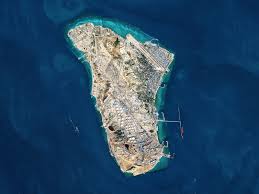
The Iranian Revolutionary Guard Corps (IRGC) Navy is increasing its military presence in the Persian Gulf following directives from Supreme Leader Khamenei, amid reported U.S. naval blockade activities. This escalation raises geopolitical tensions and presents risks of direct military confrontation between the two nations.
The IRGC Navy's enhanced operational posture in the Persian Gulf represents a significant escalation in U.S.-Iran regional tensions. The directive from Khamenei signals Iran's commitment to asserting control over critical maritime chokepoints, particularly the Strait of Hormuz, through which roughly one-third of global maritime petroleum trade flows. This move comes amid broader accusations of American naval blockade tactics, which Iran views as an economic strangulation strategy.
Historically, U.S.-Iran relations have cycled through periods of military posturing, sanctions, and limited direct confrontation. The 2020 assassination of Qasem Soleimani and subsequent Iranian ballistic missile strikes demonstrated the potential for rapid escalation. Current geopolitical conditions—including Saudi-Iran normalization efforts, ongoing Yemen conflict involvement, and regional proxy tensions—create a volatile backdrop for increased naval operations.
For cryptocurrency and digital asset markets, geopolitical tensions in the Persian Gulf create indirect but meaningful impacts. Crude oil price volatility directly influences macro risk sentiment affecting crypto valuations, particularly Bitcoin's behavior as a risk-on/risk-off asset. Additionally, any military conflict scenario could trigger sanctions regimes that impact blockchain-based financial systems and cross-border transactions. Iranian entities already operate under existing U.S. sanctions, making blockchain surveillance increasingly relevant to compliance frameworks.
Investors should monitor developments for potential oil price spikes, which historically precede broader market volatility. While direct causation between regional military tensions and cryptocurrency prices remains contested, periods of geopolitical uncertainty have coincided with crypto market corrections.
- →IRGC Navy escalation in Persian Gulf increases risk of direct U.S.-Iran military confrontation
- →Strait of Hormuz tensions threaten crude oil supply stability affecting broader market sentiment
- →Geopolitical crises typically trigger crypto market volatility through macro risk-off dynamics
- →Potential future sanctions could impact blockchain transaction flows and compliance requirements
- →Investors should prepare for oil price volatility as early warning signal for broader market shifts