
IRGC asserts Supreme Leader to set new Persian Gulf rules amid power shift
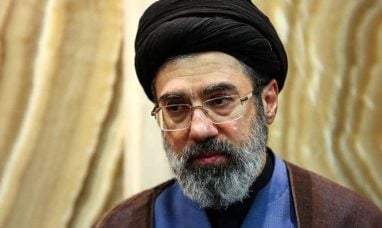
The Islamic Revolutionary Guard Corps (IRGC) is asserting increased influence over Persian Gulf policy under Iran's Supreme Leader, signaling a significant geopolitical power shift. This development threatens to destabilize regional dynamics, potentially disrupting global oil trade and escalating tensions with the US and Israel, with ripple effects across energy markets and crypto asset volatility.
The IRGC's reassertion of control over Persian Gulf geopolitical strategy represents a critical inflection point in Middle Eastern power dynamics. This shift reflects internal Iranian political restructuring and signals the military organization's determination to shape regional policy independently, moving beyond civilian oversight frameworks. The development carries substantial implications for global energy security, as the Persian Gulf remains a chokepoint for approximately 30% of globally traded oil.
Historically, IRGC influence has correlated with periods of heightened regional tension and provocative actions, including naval confrontations, drone deployments, and proxy activities. This latest assertion comes amid broader geopolitical realignment—including normalized relations between Iran and Saudi Arabia, Israel-Hamas conflict escalation, and US military repositioning. The timing suggests the IRGC is leveraging these dynamics to consolidate institutional power and establish itself as the primary arbiter of Iran's security interests.
For cryptocurrency and traditional financial markets, IRGC-driven instability directly impacts oil price volatility, which typically triggers broader risk-off sentiment across digital assets. Elevated US-Iran tensions historically precede sanctions regimes that affect global financial systems and crypto exchange operations. Investors face increased exposure to geopolitical premium pricing across energy commodities and defensive assets.
Market participants should monitor escalation indicators: naval incidents, new sanctions announcements, and statements from US and Israeli officials. An actual conflict scenario would likely trigger significant cryptocurrency volatility alongside crude oil spikes. The coming months will clarify whether this power shift translates to actual policy changes or remains rhetorical positioning within Iran's factional competition.
- →IRGC consolidation of Persian Gulf policy control signals intensifying internal power shift within Iranian governance structures
- →Regional destabilization threatens global oil supply chains, historically triggering cryptocurrency market volatility and risk-off asset flows
- →Escalating US-Israel tensions with Iran create potential sanctions scenarios affecting crypto exchanges and cross-border financial infrastructure
- →Oil price volatility resulting from geopolitical risk typically correlates with defensive Bitcoin positioning and correlation shifts across digital assets
- →Investors should establish monitoring systems for naval incidents, sanctions announcements, and military deployment indicators as leading risk signals