
IRGC retaliates against US base amid heightened tensions with Iran
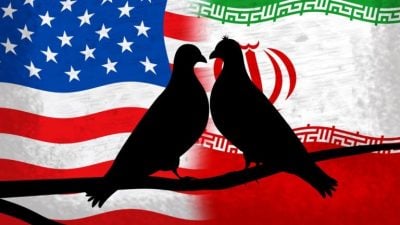
The Islamic Revolutionary Guard Corps (IRGC) has conducted retaliatory strikes against a US military installation, escalating geopolitical tensions between Iran and the United States. This military escalation reduces the likelihood of diplomatic negotiations and heightens regional instability risks, with potential implications for global markets including cryptocurrency and energy sectors.
The IRGC's retaliatory action represents a significant escalation in the ongoing US-Iran conflict, moving beyond diplomatic posturing into direct military confrontation. This development signals a breakdown in de-escalation efforts and demonstrates Iran's willingness to respond forcefully to perceived threats, fundamentally altering the risk calculus for regional stability. The strike occurs within a broader pattern of tit-for-tat military actions that have characterized US-Iran relations, suggesting a dangerous cycle of retaliation that could spiral further.
Historically, US-Iran tensions have spiked following key events such as sanctions implementations, assassinations of key figures, or perceived violations of nuclear agreements. The current escalation builds on years of friction following the US withdrawal from the Joint Comprehensive Plan of Action (JCPOA) in 2018 and subsequent maximum pressure sanctions campaigns. This incident reflects the fragility of regional security architecture and the limited diplomatic channels available to prevent miscalculation.
Geopolitically-driven market volatility typically impacts cryptocurrency and oil markets most directly. Risk-off sentiment during geopolitical crises historically drives capital toward safe-haven assets like Bitcoin, while simultaneously pushing oil prices higher due to supply disruption concerns. Energy price spikes can trigger broader inflation concerns affecting monetary policy expectations and crypto valuations. Investors should monitor crude oil prices, USD strength, and capital flow patterns into defensive assets as primary indicators of market reaction to this escalation.
Forward indicators include potential US responses, which could range from diplomatic engagement to additional military action or sanctions. The sustainability of regional tension and its spillover effects into global markets warrant close observation over the coming weeks.
- →IRGC retaliation marks direct military escalation reducing diplomatic resolution prospects
- →Regional instability increases risks to global oil supplies and energy prices
- →Geopolitical uncertainty typically triggers safe-haven asset demand including Bitcoin
- →Historical US-Iran cycles suggest potential for further tit-for-tat escalation
- →Investors should monitor oil prices and USD strength as primary market indicators