
IRGC maintains control over Strait of Hormuz, ensuring vessel safety
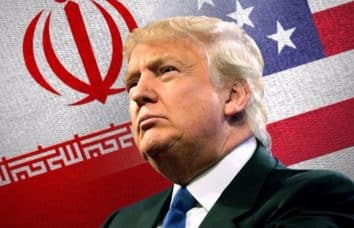
The Iranian Revolutionary Guard Corps (IRGC) maintains military control over the Strait of Hormuz, a critical chokepoint through which approximately 20% of global petroleum passes. This sustained control perpetuates regional geopolitical tensions and creates uncertainty in global energy markets, with potential ripple effects on cryptocurrency valuations and macroeconomic conditions affecting digital asset investors.
The Strait of Hormuz represents one of the world's most strategically significant maritime passages, with its control directly influencing global energy supply chains and commodity prices. The IRGC's continued military presence in this region underscores ongoing geopolitical friction in the Middle East, particularly between Iran and Western nations. This control mechanism creates persistent uncertainty regarding oil price stability and international shipping security, factors that have historically correlated with cryptocurrency market volatility as investors reassess macroeconomic risk.
Historically, tensions around the Strait of Hormuz have escalated during periods of U.S.-Iran diplomatic strain, particularly following sanctions regimes and military posturing. The IRGC's assertion of control perpetuates a cycle of brinkmanship that keeps energy markets in a state of elevated caution. Shipping disruptions or incidents in this corridor directly impact global oil prices, which serve as a barometer for broader economic health and inflation expectations.
For cryptocurrency markets and investors, energy price volatility stemming from Strait of Hormuz tensions indirectly influences digital asset valuations. Higher oil prices can exacerbate inflationary pressures, potentially altering Federal Reserve policy trajectories and interest rate expectations—factors that significantly impact risk asset allocation, including cryptocurrencies. Conversely, market participants monitor geopolitical developments in this region as leading indicators of macro uncertainty, which sometimes drives capital toward alternative assets like Bitcoin and Ethereum as inflation hedges.
Investors should monitor shipping incident reports, OPEC production statements, and U.S.-Iran diplomatic developments as leading indicators of potential energy market shocks that could cascade through cryptocurrency markets. The persistence of IRGC control suggests sustained geopolitical risk premiums will remain embedded in both energy and cryptocurrency valuations.
- →IRGC control of the Strait of Hormuz sustains geopolitical risk premiums affecting global oil prices and macroeconomic uncertainty
- →Energy market volatility resulting from shipping tensions indirectly influences cryptocurrency valuations through inflation and monetary policy expectations
- →Approximately 20% of global petroleum transits the Strait, making IRGC control decisions material to worldwide economic conditions
- →Cryptocurrency investors should monitor Middle East tensions as leading indicators of macro uncertainty and potential safe-haven asset flows
- →Sustained regional tensions prevent normalization of traffic and perpetuate elevated risk assessments across energy and risk-asset markets