
IRGC expands control in Strait of Hormuz, raising tensions and naval activity
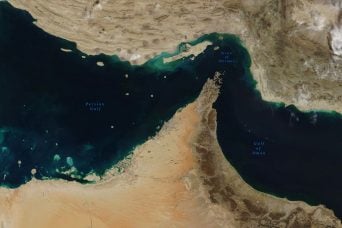
The Iranian Revolutionary Guard Corps (IRGC) has expanded its military control over the Strait of Hormuz, a critical chokepoint through which approximately 20-30% of global petroleum passes. This escalation heightens regional tensions and could trigger volatility in oil markets, with downstream effects on cryptocurrency valuations and macroeconomic conditions affecting digital asset investors.
The IRGC's expanded presence in the Strait of Hormuz represents a significant geopolitical development with direct implications for global energy markets. The strait serves as one of the world's most strategically important maritime passages, and increased military activity by regional actors introduces uncertainty into crude oil pricing and supply chain logistics. This escalation follows decades of tensions between Iran and Western powers, particularly the United States, creating a pattern of periodic flare-ups that impact commodity markets.
Historically, regional military posturing around the Strait of Hormuz has preceded sharp spikes in oil prices, as markets price in supply disruption risk. The IRGC's expanded control signals Iran's intent to strengthen its bargaining position amid ongoing diplomatic tensions and economic sanctions. Previous incidents—from tanker seizures to naval confrontations—have demonstrated how quickly localized tensions can create global market shocks.
For cryptocurrency markets, elevated oil prices feed into broader inflation concerns that influence Federal Reserve policy and investor risk appetite. Bitcoin and alternative assets often move inversely to traditional macro headwinds; sustained oil volatility could redirect capital flows. Energy-intensive sectors like cryptocurrency mining also face higher operational costs if regional tensions spike petroleum prices.
Investors should monitor developments carefully. Any closure or partial blockade of the strait would create severe market dislocation across commodities, equities, and cryptocurrencies. Watch for statements from major oil-consuming nations, insurance premium changes for maritime traffic, and oil futures pricing for signals of market conviction regarding escalation risk.
- →IRGC control expansion in Strait of Hormuz threatens a critical maritime passage handling 20-30% of global oil trade
- →Geopolitical escalation typically triggers oil price volatility, which correlates with broader macroeconomic conditions affecting crypto markets
- →Regional military posturing increases supply chain uncertainty and energy costs for sectors including cryptocurrency mining
- →Previous incidents demonstrate rapid transmission of localized tensions into global market disruptions across commodities and digital assets
- →Investors should monitor oil futures, maritime insurance premiums, and diplomatic statements for escalation signals