
Islamic Revolutionary Guard Corps strikes US air bases across Middle East, warns of stronger retaliation
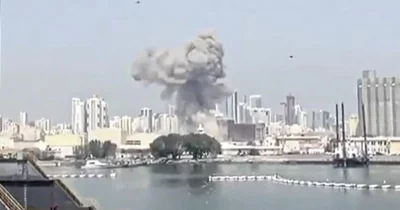
The Islamic Revolutionary Guard Corps conducted strikes on US air bases across the Middle East and warned of stronger retaliation, escalating regional tensions. This geopolitical escalation poses risks to global market stability, potentially increasing cryptocurrency volatility, energy price spikes, and heightened regulatory scrutiny on digital assets.
The IRGC strikes represent a significant escalation in Middle Eastern tensions, signaling the potential for broader regional conflict. Such military actions historically correlate with flight-to-safety dynamics in financial markets, as investors seek hedges against uncertainty. Cryptocurrency markets typically respond to geopolitical crises through increased volatility as traders reassess risk exposure across asset classes.
This conflict emerges within a complex backdrop of US-Iran tensions that have periodically flared since the 2020 Soleimani assassination. The threat of stronger retaliation suggests the cycle may intensify, creating sustained uncertainty rather than a contained incident. Regional instability disrupts energy supply chains, which directly influences global inflation expectations and central bank policy decisions—factors that indirectly drive crypto market sentiment through broader macro conditions.
Cryptocurrency investors face multiple headwinds from this escalation. Bitcoin and other digital assets may experience heightened volatility as macro investors rotate portfolios or reduce leverage amid geopolitical uncertainty. Additionally, regional conflicts often prompt governments to increase financial surveillance and implement stricter capital controls, creating renewed regulatory pressure on cryptocurrency exchanges and cross-border transactions. Energy price spikes from disrupted oil production could reinforce inflation concerns, potentially affecting monetary policy stances that influence risk asset valuations.
Market participants should monitor several indicators: oil price movements, equity market breadth, and regulatory announcements from major jurisdictions. The duration and scope of retaliation attempts will determine whether this becomes a contained bilateral escalation or a catalyst for broader regional destabilization that sustains elevated volatility across cryptocurrencies.
- →IRGC strikes on US bases signal escalating Middle East tensions that historically trigger cryptocurrency volatility and flight-to-safety trades
- →Threats of stronger retaliation suggest sustained uncertainty rather than isolated incidents, potentially prolonging market impact
- →Energy supply chain disruptions from conflict raise inflation concerns that influence monetary policy and risk asset valuations
- →Geopolitical escalation typically prompts heightened regulatory scrutiny on digital asset transfers and cross-border transactions
- →Investors should monitor oil prices, equity market breadth, and regulatory announcements as key indicators of sustained market impact