
IRGC strikes Israeli air bases Nevatim and Tel Nof in retaliation: Fars
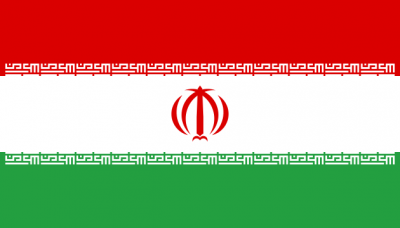
Iran's Islamic Revolutionary Guard Corps (IRGC) conducted strikes against Israeli air bases Nevatim and Tel Nof in a retaliatory operation, marking a significant escalation in regional tensions. The action threatens to trigger broader Middle Eastern conflict with potential consequences for global geopolitical stability and international diplomatic efforts.
The IRGC's direct military strikes against Israeli air bases represent a meaningful escalation in the ongoing Iran-Israel regional confrontation. This operation crosses a threshold from proxy conflicts and cyber operations to direct state-level military action, signaling a shift in the conflict's intensity and scope. The targeting of critical air defense infrastructure suggests a calculated move to demonstrate military capability while maintaining a measured response posture.
Historically, Iran-Israel tensions have simmered through indirect means—proxy militias in Syria, Yemen, and Lebanon, along with occasional cyber campaigns. Recent months have seen mounting provocations, including alleged Israeli strikes on Iranian targets and nuclear facilities. The current retaliation follows this pattern of tit-for-tat escalation but with a notable difference: direct, acknowledged military action rather than deniable operations. This transparency signals domestic political considerations within Iran alongside military messaging.
For cryptocurrency and financial markets, geopolitical crises of this magnitude create volatility across asset classes. Energy prices typically spike during Middle Eastern conflicts, affecting macro sentiment and risk appetite. Bitcoin and other cryptocurrencies often exhibit safe-haven demand during acute geopolitical stress, though correlation remains inconsistent. Trading volumes on derivatives markets typically increase as investors hedge exposure or speculate on broader market movements.
The critical variable ahead involves whether this strikes represent a contained response or the opening phase of wider conflict. International diplomatic intervention, particularly from the United States and European powers, will determine trajectory. Market participants should monitor escalation indicators, official diplomatic statements, and energy commodity prices as leading indicators of broader financial market impact.
- →IRGC conducted direct strikes on Israeli military bases, marking a significant escalation from proxy-based regional conflict patterns.
- →The operation demonstrates Iranian military capability while signaling potential for broader Middle Eastern conflict with global economic implications.
- →Cryptocurrency markets typically experience increased volatility and safe-haven demand during acute geopolitical crises.
- →Energy market responses will likely precede broader financial market adjustments given Middle East conflict premiums on oil prices.
- →International diplomatic response and escalation trajectory are critical variables for assessing secondary market impacts on crypto and traditional assets.