
Israel admits disarming Hezbollah requires full Lebanon occupation
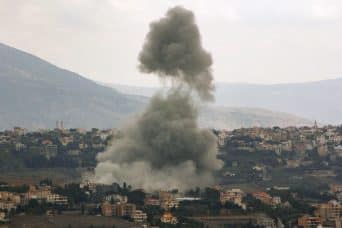
Israel has acknowledged that fully disarming Hezbollah would require a complete occupation of Lebanon, underscoring the military and political challenges of addressing the militant group's influence in the region. The admission reflects growing recognition that military solutions alone cannot resolve the underlying geopolitical tensions, suggesting diplomacy may be necessary for sustainable regional stability.
Israel's public acknowledgment regarding Hezbollah disarmament represents a significant shift in rhetoric around Middle Eastern military interventions. The statement reflects the harsh reality that eliminating a deeply entrenched non-state actor requires not merely tactical military operations but sustained territorial control and governance—a resource-intensive proposition with unpredictable outcomes. This admission matters because it signals potential recalibration of Israeli strategy away from military-first approaches toward negotiated settlements, which could reshape regional dynamics affecting energy markets, trade routes, and geopolitical risk premiums.
Historically, Israel has pursued limited military operations against Hezbollah, particularly in 2006, which failed to achieve permanent disarmament. Hezbollah's integration into Lebanese society, political structures, and civilian infrastructure complicates any military solution. The organization's role as both a militant force and social services provider means removal requires addressing governance vacuums. This backdrop explains why Israel's admission carries weight—it suggests military planners recognize occupation's costs exceed benefits.
For cryptocurrency and financial markets, geopolitical instability typically increases demand for safe-haven assets and creates volatility in energy prices, which indirectly affects risk sentiment. A shift toward diplomacy could reduce Middle East premium risk in oil markets and potentially stabilize Bitcoin and gold as hedges. However, prolonged regional tension without resolution maintains elevated geopolitical risk, keeping investors cautious about emerging market exposure.
Watching for signs of diplomatic initiatives or further military escalation will indicate whether this admission translates into policy changes or represents tactical messaging.
- →Israel acknowledges that eliminating Hezbollah militarily would require full occupation of Lebanon, indicating recognition of military limitations.
- →The admission suggests potential strategic shift from military action toward diplomatic solutions for regional stability.
- →Hezbollah's deep integration into Lebanese society and government complicates any military disarmament effort.
- →Geopolitical de-escalation would reduce Middle East risk premiums affecting oil markets and safe-haven asset demand.
- →Investors should monitor diplomatic developments as indicators of sustained regional tension or potential stabilization.