
Israel’s AI unit boosts air force in Iran conflict, raises regional tensions
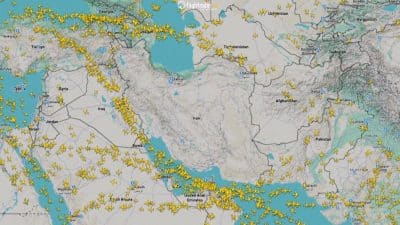
Israel has integrated AI technology into its military operations during the Iran conflict, enhancing air force capabilities. The development raises concerns about military escalation and potential broader international involvement in regional tensions.
The deployment of AI systems in active military conflict represents a significant intersection of emerging technology and geopolitical instability. Israel's integration of artificial intelligence into air force operations demonstrates how advanced computational systems are now central to modern warfare, enabling faster decision-making, target identification, and tactical coordination. This development reflects a broader global trend of militarizing AI technology, where nations compete to gain technological advantages in regional conflicts.
The Iran-Israel tensions have long simmered beneath surface-level diplomacy, with periodic military skirmishes escalating throughout recent years. AI integration amplifies the speed and scale of potential conflicts by reducing human decision-making bottlenecks and enabling autonomous or semi-autonomous operations. This technological edge may create false confidence among military planners, potentially lowering thresholds for engagement and escalation.
For cryptocurrency and blockchain investors, geopolitical instability historically creates safe-haven demand for digital assets perceived as censorship-resistant stores of value. Prolonged regional conflicts typically correlate with increased volatility in traditional markets, which can redirect capital toward alternative assets including crypto. However, military tensions also increase regulatory scrutiny and potential sanctions that could impact crypto exchanges and payment systems operating in affected regions.
Investors should monitor developments in Iran-Israel relations as escalating military AI deployment signals elevated conflict probability. If broader international involvement materializes—including direct confrontation between major powers—crypto markets could experience significant capital inflows as risk-off sentiment drives demand for decentralized alternatives to traditional financial systems.
- →Israel has deployed AI systems to enhance air force capabilities in the Iran conflict, accelerating military decision-making processes.
- →AI militarization lowers engagement thresholds by reducing human decision delays, potentially increasing escalation risks.
- →Regional conflict escalation typically drives safe-haven demand for censorship-resistant assets like Bitcoin and stablecoins.
- →Geopolitical instability increases regulatory pressure on crypto exchanges and payment systems in conflict zones.
- →Investors should track Iran-Israel tensions as proxy for broader international involvement that could impact crypto volatility.