
Israel launches airstrikes against Iran amid escalating conflict
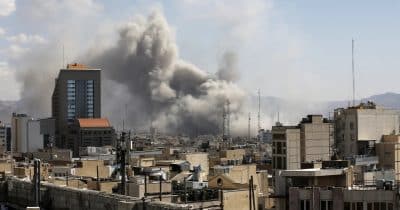
Israel has launched airstrikes against Iran, escalating regional tensions and reducing prospects for peaceful resolution. The conflict heightens geopolitical instability, which typically triggers market volatility and affects risk asset valuations including cryptocurrencies.
The Israeli airstrikes represent a significant escalation in Middle Eastern tensions, moving beyond proxy conflicts toward direct military confrontation between two regional powers. This development signals a breakdown in diplomatic channels and raises the risk of broader regional warfare involving multiple state and non-state actors. The immediate geopolitical consequence is heightened uncertainty about energy security, particularly regarding oil supply disruptions from the Persian Gulf region.
This conflict follows a pattern of tit-for-tat escalations over recent months, with each side responding to perceived threats or attacks. The current phase represents a qualitative shift toward more overt military action, reducing the likelihood of de-escalation in the near term. Regional instability historically correlates with increased global risk aversion as investors reassess geopolitical exposure across portfolios.
Cryptocurrency markets respond predictably to geopolitical crises: initial volatility followed by potential safe-haven flows into assets perceived as uncorrelated to traditional markets. However, broader macroeconomic impacts matter more—potential oil price spikes could trigger inflation concerns, affecting central bank policy and interest rates, which ultimately influence crypto valuations through changing discount rates. Additionally, any escalation threatening global trade routes could impact economic growth expectations and investor risk appetite.
Market participants should monitor three variables: the scope of military operations, international diplomatic responses, and any supply chain disruptions. If the conflict remains contained, crypto market impact may be limited and temporary. If escalation triggers broader regional involvement or sanctions, systemic market effects could be more pronounced.
- →Direct Israeli-Iranian military confrontation reduces near-term peace prospects and increases regional instability
- →Geopolitical crises typically trigger crypto market volatility but broader macro effects matter most for longer-term valuations
- →Oil price spikes from conflict could influence inflation expectations and central bank policy decisions affecting risk assets
- →The scope of future escalation and international responses are critical variables for assessing market impact
- →Investors should monitor trade route security and supply chain risks as secondary effects of conflict expansion