
Israel launches airstrikes over Iran, escalating regional tensions
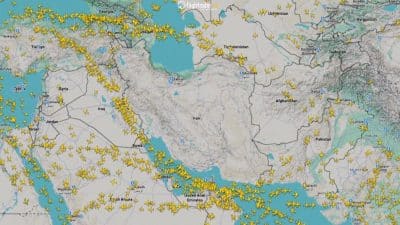
Israel has launched airstrikes against Iran, marking a significant escalation in Middle Eastern regional tensions. The military action risks destabilizing the broader region, complicating peace efforts, and potentially involving major global powers in the conflict.
Israel's airstrike campaign against Iran represents a critical flashpoint in an already volatile geopolitical landscape. The escalation comes amid months of rising tensions between the two nations, with previous Iranian attacks on Israeli territory and ongoing proxy conflicts throughout the region. This direct military action signals a shift from covert operations to overt confrontation, fundamentally altering the calculus of Middle Eastern security dynamics.
Historically, Israel and Iran have engaged in indirect warfare through proxies and targeted strikes on nuclear and military facilities. This escalation breaks that pattern by involving more visible, coordinated airstrikes that carry higher risks of triggering broader conflict. The backdrop includes Iran's nuclear program ambitions, Israeli security concerns, and the erosion of international diplomatic frameworks that previously constrained such actions.
For cryptocurrency and financial markets, geopolitical crises typically trigger volatility and capital flight to safe-haven assets. Oil prices often spike during regional conflicts, which can influence inflationary expectations and central bank policy responses—factors affecting crypto valuations. Investors may shift portfolios toward gold and established cryptocurrencies viewed as hedges, while emerging market exposure faces headwinds.
The coming weeks will determine whether this escalation remains contained or draws in regional allies and global powers. The potential involvement of the United States, Russia, or other stakeholders could reshape energy markets and global risk sentiment significantly. Market participants should monitor developments in oil futures, bond yields, and geopolitical risk indices as indicators of sustained conflict risk and its cascading economic effects.
- →Direct Israeli airstrikes on Iran mark a significant escalation beyond previous proxy conflicts and covert operations.
- →Regional instability threatens to disrupt energy markets and global economic stability, affecting risk asset valuations.
- →Cryptocurrency markets may experience volatility as investors rotate toward safe-haven assets amid geopolitical uncertainty.
- →International diplomatic pathways are diminishing, increasing the risk of broader coalition involvement.
- →Oil price spikes could fuel inflation concerns and influence monetary policy decisions affecting all asset classes.