
Israel conducts targeted strike in Beirut, hitting Iranian militia leader
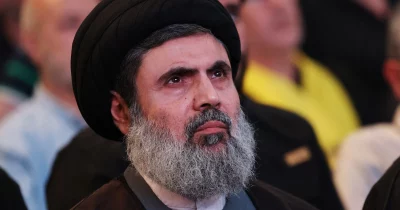
Israel conducted a targeted military strike in Beirut against an Iranian militia leader, escalating regional tensions. The incident signals heightened geopolitical risk in the Middle East, with potential implications for diplomatic relations and broader regional stability.
The Israeli strike on Beirut represents a significant escalation in Middle Eastern hostilities, targeting Iranian militia leadership operating in Lebanon. This direct action signals a shift toward more aggressive posturing and demonstrates willingness to conduct precision operations in contested territory, raising the stakes for regional actors and international observers monitoring the situation.
The incident occurs within a broader pattern of Israeli-Iranian tensions that have intensified over the past several years. Lebanon's position as a proxy battleground for competing regional interests—hosting both Iranian-backed militias and Israeli military concerns—makes such strikes particularly destabilizing. The strike threatens fragile diplomatic channels and could trigger retaliatory measures, potentially drawing additional actors into escalating conflict cycles.
For cryptocurrency and digital asset markets, geopolitical escalation traditionally creates risk-off sentiment, typically benefiting safe-haven assets like Bitcoin while pressuring riskier altcoins and growth-focused DeFi tokens. Elevated geopolitical uncertainty historically correlates with increased volatility across crypto markets as investors reassess risk exposure. Additionally, potential sanctions escalation against Iran could have indirect market effects through broader macro uncertainty and energy price pressures.
Looking ahead, market participants should monitor for retaliatory actions, diplomatic responses, and any escalation toward direct Iranian-Israeli military confrontation. Investors should track geopolitical risk metrics and traditional safe-haven asset performance as indicators of broader market risk appetite. Any development involving US involvement or broader coalition responses could significantly amplify market volatility and shift capital flows toward defensive positions.
- →Israeli strike on Iranian militia in Beirut escalates Middle Eastern tensions and regional instability.
- →Geopolitical risk-off sentiment typically pressures risk assets including cryptocurrencies and growth-focused tokens.
- →Potential for retaliatory measures or further escalation could trigger significant market volatility.
- →Safe-haven assets like Bitcoin historically benefit during periods of elevated geopolitical uncertainty.
- →Investors should monitor diplomatic responses and any potential sanctions implications for macro market effects.